
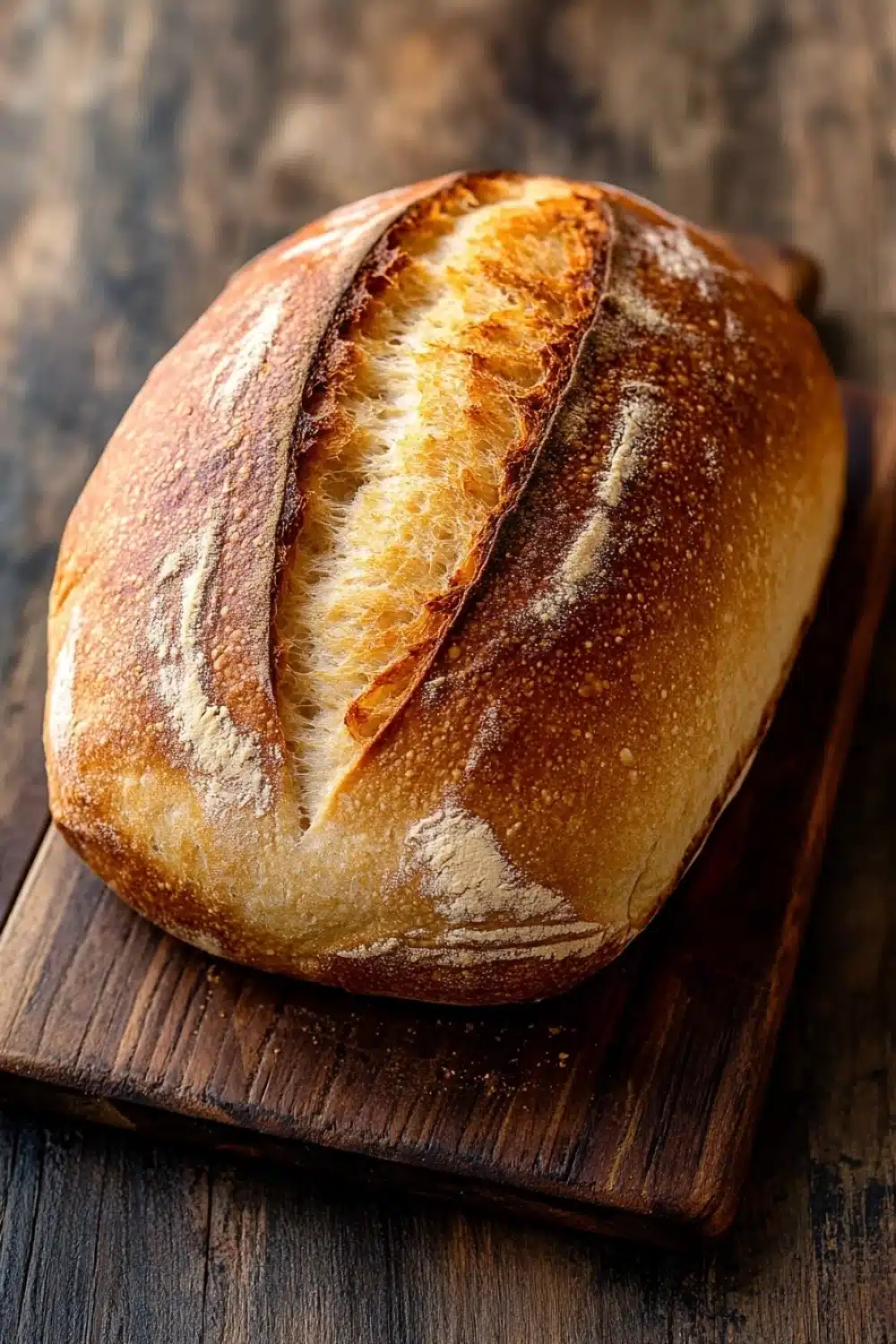
Bread that rises right—no joke.
There’s something almost ritualistic about working with yeast—Red Star Rise yeast, to be exact. I remember the first time I let that yeast bloom, watching the foam bubble up like a tiny, lively beast waking from slumber. It’s the heartbeat of great bread, promising that soft, pillowy crumb and crust with a snap.
Mixing warm water and sugar, then sprinkling on the yeast—this is where the magic starts. The kitchen fills with that unmistakable yeasty aroma, and suddenly, time slows down. You knead, you wait, you punch down. It’s therapy, not just cooking—no shortcuts here, just old-school bread making with a modern trusty packet of Red Star Rise yeast.
When that loaf finally bakes golden and crackling, it’s worth every minute spent. Toast it up thick, slap on some butter (or your favorite jam), and you’ve got bread that’s more than just a base for a sandwich—it’s comfort, pure and simple.
For the best results with your red star rise yeast bread, check out our guide on Homemade Pizza Ingredients: The Perfect Foundation for Your Pie to build the perfect dough base.
Real Life Benefits of Baking with Red Star Rise Yeast Bread
- Consistent rise every time—no more flat loaves that make you question your skills.
- Soft crumb texture makes for sandwich bread that won’t crumble when you bite—ideal for loaded subs and grilled cheese alike.
- Golden crust that’s just the right crunch, letting you get that satisfying crust-to-soft-center ratio with every slice.
- Hands-on kneading and rising times fit nicely into a lazy weekend afternoon or an evening wind-down—no rush, just patience.
- Homemade bread that freezes and toasts like a charm, perfect for busy mornings when you need a quick fix without sacrificing flavor.

Red Star Rise Yeast Bread
- Total Time: 2 hours 15 minutes
- Yield: 12 slices 1x
Description
A classic homemade yeast bread recipe using Red Star Rise yeast for a perfect rise, soft crumb, and golden crust. This bread is ideal for sandwiches, toast, or enjoying fresh from the oven.
Ingredients
1 cup warm water (110°F/43°C)
2 1/4 teaspoons Red Star Rise Active Dry Yeast (one packet)
2 tablespoons granulated sugar
3 cups all-purpose flour, plus extra for kneading
1 teaspoon salt
2 tablespoons unsalted butter, melted
Instructions
In a large mixing bowl, combine warm water and sugar. Stir until sugar dissolves.
Sprinkle the Red Star Rise Active Dry Yeast over the water and sugar mixture. Let it sit for 5-10 minutes until the yeast is foamy.
Add the melted butter and salt to the yeast mixture. Stir to combine.
Gradually add 3 cups of all-purpose flour, one cup at a time, stirring with a wooden spoon or dough hook attachment until a dough forms.
Turn the dough out onto a lightly floured surface. Knead the dough for about 8-10 minutes, adding small amounts of flour as needed to prevent sticking, until the dough is smooth and elastic.
Place the dough in a lightly greased bowl, turning once to coat the surface. Cover the bowl with a clean kitchen towel or plastic wrap.
Let the dough rise in a warm, draft-free place for about 1 hour or until it has doubled in size.
Punch down the risen dough to release air. Turn it out onto a lightly floured surface and shape it into a loaf.
Place the shaped dough into a greased 9×5-inch loaf pan. Cover loosely with a kitchen towel and let it rise again for 30-45 minutes until it has risen about 1 inch above the pan.
Preheat the oven to 375°F (190°C).
Bake the bread in the preheated oven for 25-30 minutes, or until the top is golden brown and the bread sounds hollow when tapped.
Remove the bread from the oven and let it cool in the pan for 10 minutes.
Transfer the bread to a wire rack to cool completely before slicing.
- Prep Time: 15 minutes
- Cook Time: 30 minutes
Explore more:
Breakfast Recipes
Mastering Red Star Rise Yeast Bread: Secrets and Fixes
The Yeast That Works Like Magic—But Why?
Red Star Rise Active Dry Yeast isn’t just some run-of-the-mill leavening agent; it’s the backbone of this bread’s impeccable rise and texture. Here’s the kicker—its unique formulation kickstarts fermentation faster than your average yeast packet, meaning you get a poofy, tender crumb without hanging over the dough all day. When you sprinkle that yeast over warm water (110°F/43°C), you’re essentially waking up a sleeping giant. Too hot? You kill it. Too cold? It won’t budge. I’ve learned the hard way—once poured boiling water straight in and watched my dough sulk in a corner like a sad sack. The sugar isn’t just for sweetness; it’s yeast’s favorite snack, fueling a vigorous party inside your mixing bowl. This combo? It’s why your bread doesn’t just rise—it rises with attitude.
Kneading Know-How: Turning Stickiness Into Strength
Here’s where many rookies freeze up: kneading. The dough is sticky, gooey, and downright annoying at first. But that’s the dough talking—telling you it’s developing gluten, the stretchy network that traps air bubbles and gives that soft crumb we crave.
My go-to trick? Don’t be shy with the flour, but add it sparingly. Too much, and your bread goes tough as old boots. Too little, and it’s a sticky mess that refuses to shape. Knead for 8-10 minutes, folding, pressing, and turning the dough—a rhythm that feels more like dancing than work. If the dough doesn’t bounce back when poked, keep kneading. Keep going until it’s silky smooth, like a good handshake.
Common Bread Blunders—and How to Fix Them On The Fly
Ever pulled a loaf from the oven only to find it dense, flat, or oddly gummy? Happens to all of us—bread baking is part art, part patience. Here’s your quick-fix arsenal:
- Dense Loaf: Could be underproofed. Let it rise longer in a warm spot; your dough should double in size, not just half-heartedly puff up.
- Flat Bread: Might have killed the yeast with water that was too hot or old yeast past its prime. Always check the expiration date—yeast is a diva.
- Gummy Texture: Underbaked or too much moisture. Give your loaf a tap; if it sounds dull, it needs more time. Tent with foil so the crust doesn’t burn while the center cooks through.
One last nugget: always cool your bread completely on a wire rack. Cutting too soon is like shooting yourself in the foot—the crumb will be gummy and compress.
Red Star Rise Yeast Bread FAQs
Yes, but the texture might change slightly. Instant yeast works faster and you might skip the foam step, but for that classic rise and crumb, Red Star Rise nails it every time.
The magic lies in the oven temperature and baking time—375°F for about 30 minutes. Also, letting the dough rise until it pokes above the pan by an inch really helps achieve that golden, crackly top. Don’t rush the cooling either; it finishes the job.
You can swap melted butter for vegetable or olive oil, but keep in mind the flavor and crumb will differ. Butter adds richness and a slight tang; oil tends to make the bread moister but less fragrant.
Give it the classic tap test: the loaf should sound hollow when tapped on the bottom. If it feels dense or dull, toss it back in the oven for a few more minutes. Also, the crust should be a deep golden brown without burning.
Nope. Kneading develops gluten, which gives the bread structure and that chewy bite. Skipping it will lead to a dense, flat loaf. If you’re pressed for time, try a no-knead recipe instead.