
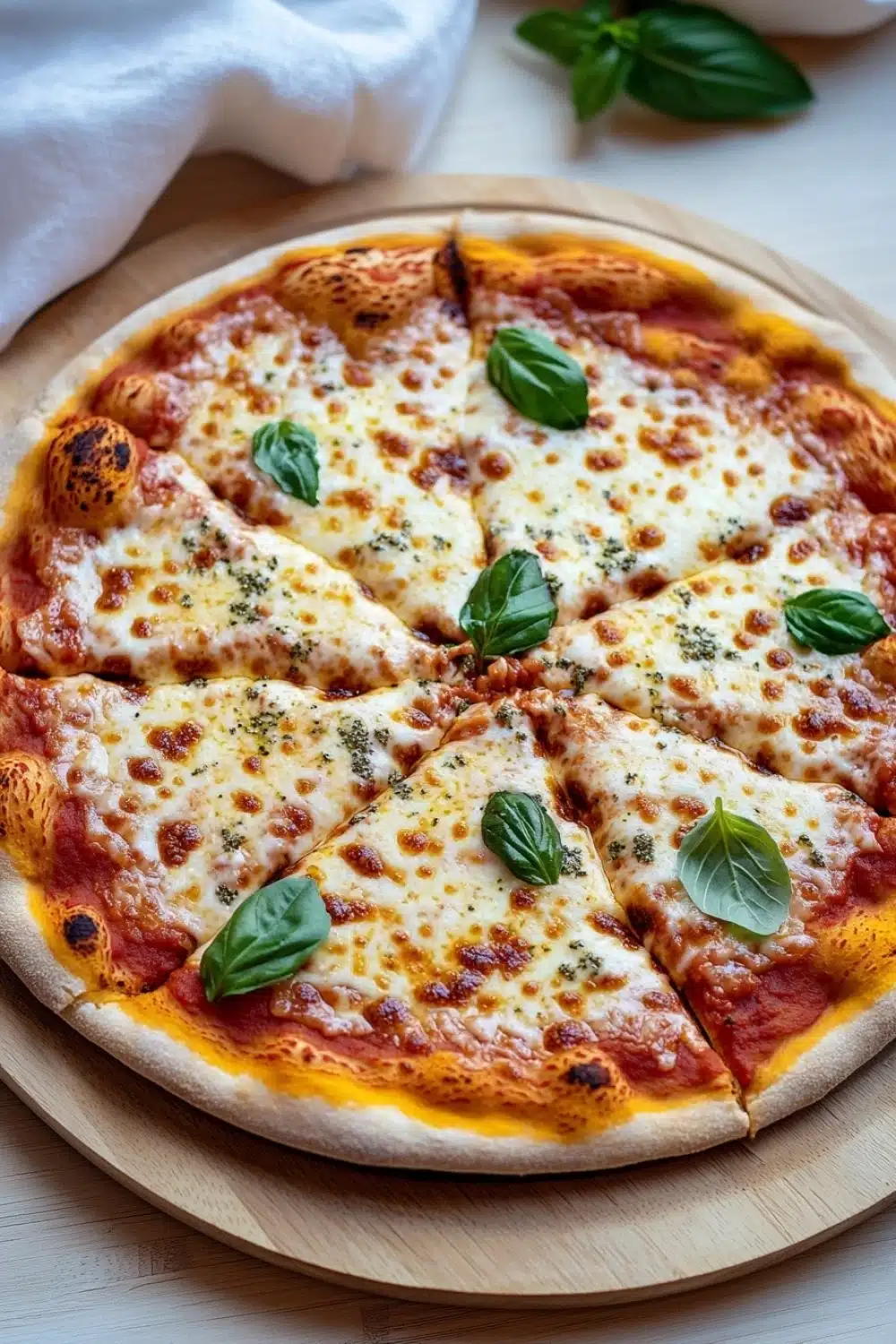
Start with the essentials.
There’s something magical about turning a handful of raw ingredients into a sizzling, golden-crusted homemade pizza. The kitchen fills with the scent of yeast waking up, mingling with the herbal kiss of oregano and basil—a humble alchemy that teases your senses and sets the stage for a memorable meal.
Rolling out the dough, I always remember my first time trying this recipe. It wasn’t just about the pizza; it was about the tactile joy of dough sticking to my fingers and the anticipation of cheese bubbling in the oven. This isn’t just cooking; it’s hands-on therapy, a bit of doughy zen with every stretch and fold.
Grab these homemade pizza ingredients and you’re in for a hands-on, honest kitchen adventure. No shortcuts, just real food and real flavor.
For the best homemade pizza ingredients, check out our guide on How to Nail Gluten Free Pizza Crust with Caputo Flour Blend.
Why Homemade Pizza Wins Every Time
- Control your crust — no more mystery dough or those sad supermarket pucks. You decide crisp or chewy; your call.
- Customize toppings to the moon and back. Vegan, meat-lover, veggie overload — your pizza, your rules.
- Save cash and skip delivery fees. Homemade pizza saves you a stack versus takeout, especially when feeding a crowd.
- Learn the dough dance — kneading and rising teach patience and skill, plus it’s oddly therapeutic after a long day.
- Impress friends with your sauce game. That simple mix of crushed tomatoes and Italian herbs beats jarred stuff hands down, no cap.

Homemade Pizza
- Total Time: 35 minutes
- Yield: 4 1x
Description
A classic homemade pizza recipe featuring a crispy crust, flavorful tomato sauce, and melted mozzarella cheese. Perfect for customizing with your favorite toppings.
Ingredients
2 1/4 teaspoons active dry yeast (1 packet)
1 teaspoon granulated sugar
1 cup warm water (110°F / 43°C)
2 1/2 cups all-purpose flour
1 teaspoon salt
1 tablespoon olive oil, plus extra for greasing
1/2 cup canned crushed tomatoes
1/2 teaspoon dried oregano
1/2 teaspoon dried basil
1/4 teaspoon garlic powder
1/4 teaspoon salt
1 cup shredded mozzarella cheese
Instructions
In a small bowl, combine the active dry yeast, granulated sugar, and warm water. Stir gently and let sit for 5 to 10 minutes until the mixture is foamy.
In a large mixing bowl, combine the all-purpose flour and salt. Make a well in the center and pour in the yeast mixture and 1 tablespoon olive oil.
Stir the mixture with a wooden spoon until a dough forms. Transfer the dough to a floured surface and knead for about 8 minutes until smooth and elastic.
Lightly grease a large bowl with olive oil. Place the dough in the bowl, turning it to coat with oil. Cover the bowl with a clean kitchen towel and let the dough rise in a warm place for 1 hour or until doubled in size.
Preheat your oven to 475°F (245°C). If you have a pizza stone, place it in the oven to heat.
In a small bowl, mix the canned crushed tomatoes, dried oregano, dried basil, garlic powder, and salt to make the pizza sauce.
Punch down the risen dough and transfer it to a floured surface. Roll out the dough into a 12-inch circle.
Place the rolled dough onto a baking sheet or preheated pizza stone. Spread the tomato sauce evenly over the dough, leaving a small border around the edges.
Sprinkle the shredded mozzarella cheese evenly over the sauce.
Bake the pizza in the preheated oven for 12 to 15 minutes, or until the crust is golden and the cheese is melted and bubbly.
Remove the pizza from the oven and let it cool for 5 minutes before slicing and serving.
- Prep Time: 20 minutes
- Cook Time: 15 minutes
Explore more:
Dinner Recipes
Mastering Homemade Pizza: Dough, Sauce, and Fixes
The Dough Dance: Why Yeast and Warmth Matter
Let me drop a truth bomb: if your dough isn’t alive and kickin’, your pizza’s toast. Active dry yeast is the MVP here—think of it as the little engine that could, needing just the right warm water temp (around 110°F) and a sprinkle of sugar to wake up from its slumber. Too hot? You’ll kill the yeast dead. Too cold? It’s a snail’s pace rise, and nobody’s got time for that. I’ve burned batches because I didn’t trust the temp—it’s a sneaky killer. Once the yeast bubbles and foams like a frothy latte, you’re golden. That’s your green light to mix and knead. The kneading? It’s not just arm day; it develops gluten, giving you that chewy, elastic crust that’s the real prize.
Swapping Ingredients Without Selling Out Your Pizza
Here’s the lowdown: you don’t have to be a dough purist to get creative. Out of all-purpose flour? Grab bread flour if you want extra chew. Whole wheat? Sure, but expect a denser crust—think rustic vibes. Olive oil isn’t just a garnish; it keeps the dough moist and tender. Skip it, and the crust gets dry and crumbly—nobody wants that. For sauce, canned crushed tomatoes are the baseline, but if you’ve got fresh ripe tomatoes and a food mill, go wild—freshness turns the sauce into a punchier, brighter canvas. Dried herbs like oregano and basil add that old-school pizzeria aroma, but swap them for fresh if you want to get fancy—that’s a game changer, no lies. And cheese? Mozzarella’s king, but mixing in provolone or fontina takes your slice from basic to boss-level. I once tried smoked gouda—don’t knock it till you try it; it’s a game of cheese roulette.
When Pizza Goes Sideways: Fixing Common Fails
Picture this: you pull your pizza from the oven, and the crust is soggy as a wet sock. What happened? Most likely, your sauce was too watery or the dough didn’t get a proper blind bake or enough oven heat. Quick fix? Next time, drain canned tomatoes well or simmer your sauce to reduce it—thicker sauce means less sog. Overloaded on toppings? That’s another soggy culprit. Keep it lean, and your crust will crisp up like a pro.
Or maybe your crust is more brick than bread—too tough, no give. That screams under-proofed dough. Let it rest longer; you want it puffed and springy before shaping. Also, crank that oven like you’re roasting a brisket—high heat is king for crispy, blistered crusts. Lastly, if cheese bubbles but turns greasy, try patting it dry or cut back a tad on oily toppings like pepperoni; greasy cheese = oil slick, not pizza glory.
Homemade Pizza FAQs
Yes, you can! Instant yeast cuts down on rising time since it activates faster, but stick to about 2 teaspoons and mix it directly with the flour—skip proofing in water.
Absolutely. Tossing your dough on a cold stone is like trying to catch lightning in a bottle—it won’t crisp right. Let it heat up for at least 30 minutes at 475°F to get that killer crust.
About 12 inches across is the sweet spot—thin enough for crunch, thick enough to hold the goods without folding like a napkin under pressure. If you roll it too thin, you’ll get a cracker more than a pizza.
Yep. Wrap each slice tight in plastic wrap and foil before freezing. When ready, reheat in the oven or toaster oven for that fresh-out-the-oven vibe.
Yes and no. That one-hour rise is prime for flavor and texture—rush it, and you’ll end up with a dense, sad crust. But if you’re in a bind, even 30 minutes helps, just don’t skip it entirely.