
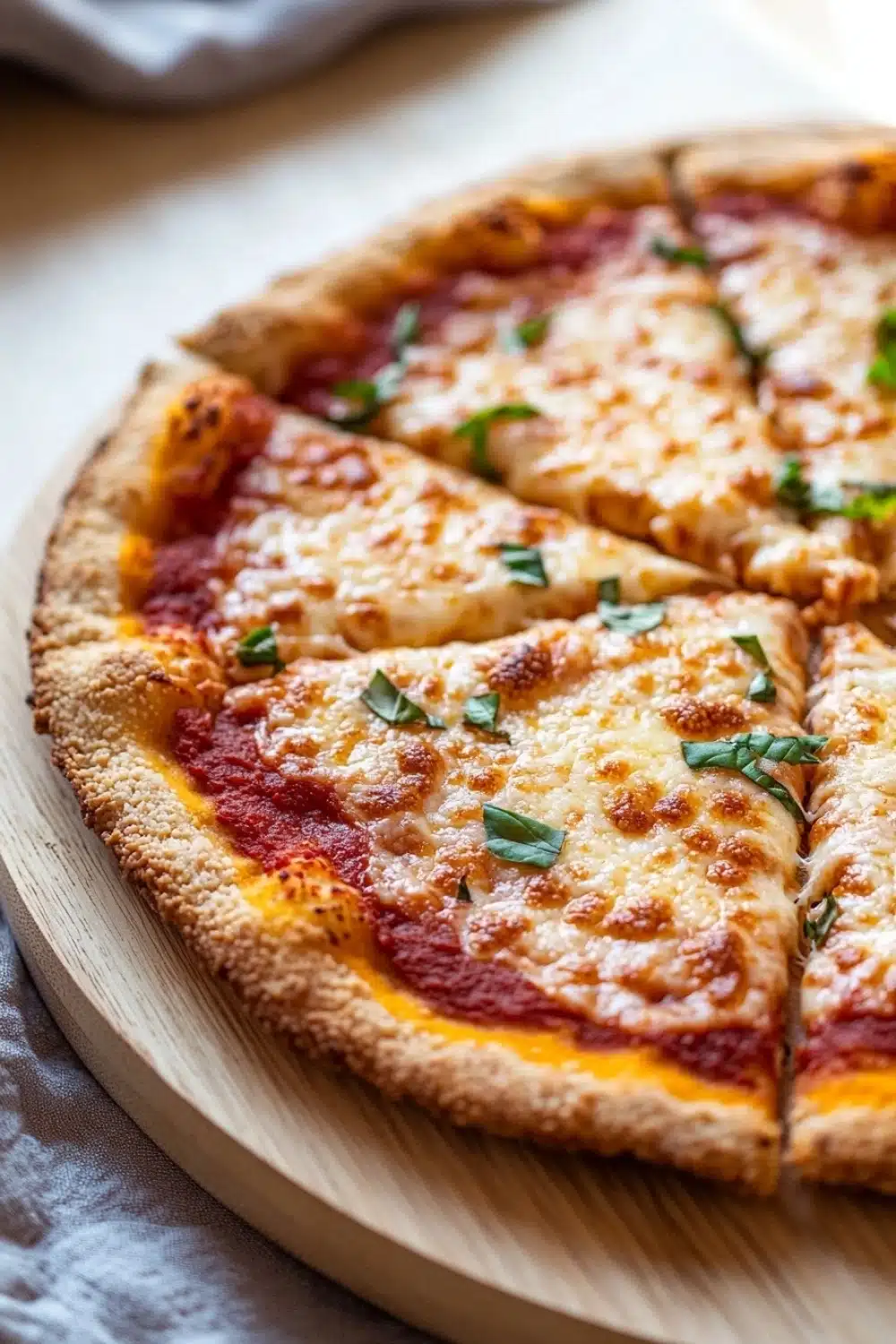
Crust crisis? Not today.
There’s something about pizza night that turns my kitchen into a full-on dough zone—flour flying, yeast bubbling, and that unmistakable aroma of baking bread. Gluten-free baking used to be a minefield for me, but then I stumbled onto Caputo’s gluten-free flour blend. It’s the secret weapon that changed the game overnight, giving me that chewy, golden crust without a hint of cardboard or grit.
Mixing, waiting, and shaping this dough feels like a dance—sticky hands, a little flour dust, and the satisfying spring of a perfectly proofed base. The yeast wakes up, the dough puffs just right, and that oven heat crisps it into a crust that holds toppings like a champ. No more sad slices or crumbly crusts here.
So, whether you’re celiacs, gluten-sensitive, or just chasing that flawless homemade pie, I’m sharing the lowdown on crafting a gluten-free pizza crust with Caputo that’s so good, you’ll forget it’s gluten-free.
For those looking to enjoy a Deep Dish Breakfast Pizza with Tortillas: A Bold Morning Feast, exploring gluten free pizza crust options like Caputo can be a great choice.
Real Life Perks of This Gluten-Free Pizza Crust
- Gluten-free, yes—but actually tastes like the real deal. No more cardboard excuses for pizza night.
- Quick turnaround: From mixing to pulling a golden crust out of the oven in just 30 minutes—perfect for those hangry evenings.
- Caputo flour blend keeps things chewy with a little snap—none of that crumbly nonsense that kills the vibe.
- Prepped dough stores like a champ—stash in the fridge or freezer and have your pizza fix ready whenever the craving hits.
- Simple ingredients with familiar pantry staples make this recipe a no-brainer, even if gluten-free baking usually feels like rocket science.

Gluten-Free Pizza Crust with Caputo Flour Blend
- Total Time: 30 minutes
- Yield: 2 (12-inch pizzas) 1x
Description
A delicious and crispy gluten-free pizza crust made using Caputo gluten-free flour blend. This recipe yields a perfect base for your favorite toppings, with a chewy texture and golden crust.
Ingredients
2 1/4 teaspoons active dry yeast (1 packet)
1 1/4 cups warm water (110°F/43°C)
1 tablespoon granulated sugar
2 cups Caputo gluten-free flour blend
1 teaspoon xanthan gum
1 teaspoon salt
1 tablespoon olive oil, plus extra for greasing
1 teaspoon apple cider vinegar
Instructions
In a small bowl, combine the warm water, sugar, and active dry yeast. Stir gently and let it sit for 5-10 minutes until foamy.
In a large mixing bowl, whisk together the Caputo gluten-free flour blend, xanthan gum, and salt.
Add the yeast mixture, olive oil, and apple cider vinegar to the dry ingredients. Mix with a wooden spoon or dough hook attachment on a stand mixer until a sticky dough forms.
Lightly grease a clean bowl with olive oil. Transfer the dough to the bowl and cover it with a clean kitchen towel or plastic wrap. Let it rise in a warm place for 45 minutes to 1 hour, until slightly puffed.
Preheat your oven to 475°F (245°C). If you have a pizza stone, place it in the oven to heat.
Turn the dough out onto a lightly floured surface using Caputo gluten-free flour. Divide the dough into two equal portions for two 12-inch pizzas.
Using your hands or a rolling pin, gently shape each portion into a 12-inch round pizza crust about 1/4 inch thick. Transfer the crusts onto parchment paper.
Add your desired toppings to the crusts.
Carefully transfer the parchment paper with the pizza onto the preheated pizza stone or a baking sheet.
Bake for 12-15 minutes, until the crust is golden and the toppings are cooked.
Remove from the oven and let cool for 3-5 minutes before slicing and serving.
- Prep Time: 15 minutes
- Cook Time: 15 minutes
Explore more:
Dinner Recipes
Mastering Gluten-Free Pizza Crust with Caputo Flour Blend
The Magic Behind Caputo’s Gluten-Free Flour Blend
Gluten-free flours can be a wild card—some turn into crumbly disasters, others are gummy like bad bubblegum. Caputo’s blend? It’s the upper crust of gluten-free baking. Why? It balances rice flour, potato starch, and tapioca starch in just the right proportions, creating a dough that behaves more like traditional wheat-based dough. This means you get a crust that’s chewy but not tough, crisp without cracking like a dry sidewalk. I’ve swapped in ordinary gluten-free flour blends before and ended up with a crust that felt like a brick—not fun. But this blend is a game-changer, making the dough pliable and the crumb structure tight enough to hold your favorite toppings without falling apart.
Why the Xanthan Gum and Apple Cider Vinegar Team Up
Here’s the deal: gluten is what usually gives dough its elasticity, but in gluten-free land, you need a stand-in—enter xanthan gum. It’s the real MVP, binding the dough and trapping gas bubbles so the pizza rises and doesn’t crumble into sad crumbs. Now, pair that with a splash of apple cider vinegar, and you’re stirring up a powerhouse combo. The vinegar reacts with the baking soda (or yeast environment), helping tenderize the dough and give it a slight tang that cuts through the richness of cheese and olive oil—kinda like a secret handshake between ingredients. I learned this trick from a crust fail where the puck was dense and flavorless. The tiny tweak of vinegar flipped the script, creating a crust that’s lively and surprisingly flavorful.
Fixing the Classic Gluten-Free Pizza Crust Flops
Crust too dense? Dough too sticky to handle? Here’s the lowdown:
- Dense crust? Your yeast might be on vacation. Always proof your yeast—warm water plus sugar, wait for that foamy bubble party. No bubbles? Yeast is dead, toss and start fresh.
- Sticky dough nightmare? Don’t just chuck more flour at it. Instead, lightly oil your hands and work surface. The dough’s supposed to be tacky—it’s gluten-free, not glue—and over-flouring kills the moisture, resulting in a dry crust.
- Crust won’t brown? Crank up your oven to 475°F and preheat a pizza stone or heavy baking sheet. The hot surface jumpstarts the Maillard reaction—the browning magic that gives pizza crust that irresistible crunch and color.
One time, I ignored the stone and baked on a cold sheet—result? Limp bottom crust. Lesson learned: heat is your crust’s best friend.
Gluten-Free Pizza Crust FAQs
- Can I use regular flour instead?
- No, this recipe is designed for Caputo gluten-free flour blend. Regular flour won’t give you that chewy, crispy crust without gluten. It’s like trying to drive a stick shift with an automatic car—you just won’t get the right feel or result.
- How do I know when the yeast is ready?
- After mixing the yeast with warm water and sugar, wait for about 5-10 minutes. It should get foamy on top—that’s your yeast waking up and ready to party. If it doesn’t foam, your yeast might be dead or the water temperature was off.
- Can I make one big pizza instead of two?
- Yes, absolutely! Just shape the entire dough into one large 12-inch crust (or bigger if you want). Bake times might shift a bit, so keep an eye on the crust turning golden and bubbling.
- Is the dough sticky? How do I work with it?
- Yep, the dough will feel sticky—that’s normal for gluten-free blends. Dust your hands and surface with a little Caputo flour to keep things from sticking when shaping. Embrace the mess; it’s part of the charm!
- Can I prepare the dough ahead of time?
- Yes, you can store leftover dough in the fridge for up to 3 days or freeze it for a month. Just thaw it slow and steady in the fridge overnight before shaping. This saves time and helps develop better flavor.