
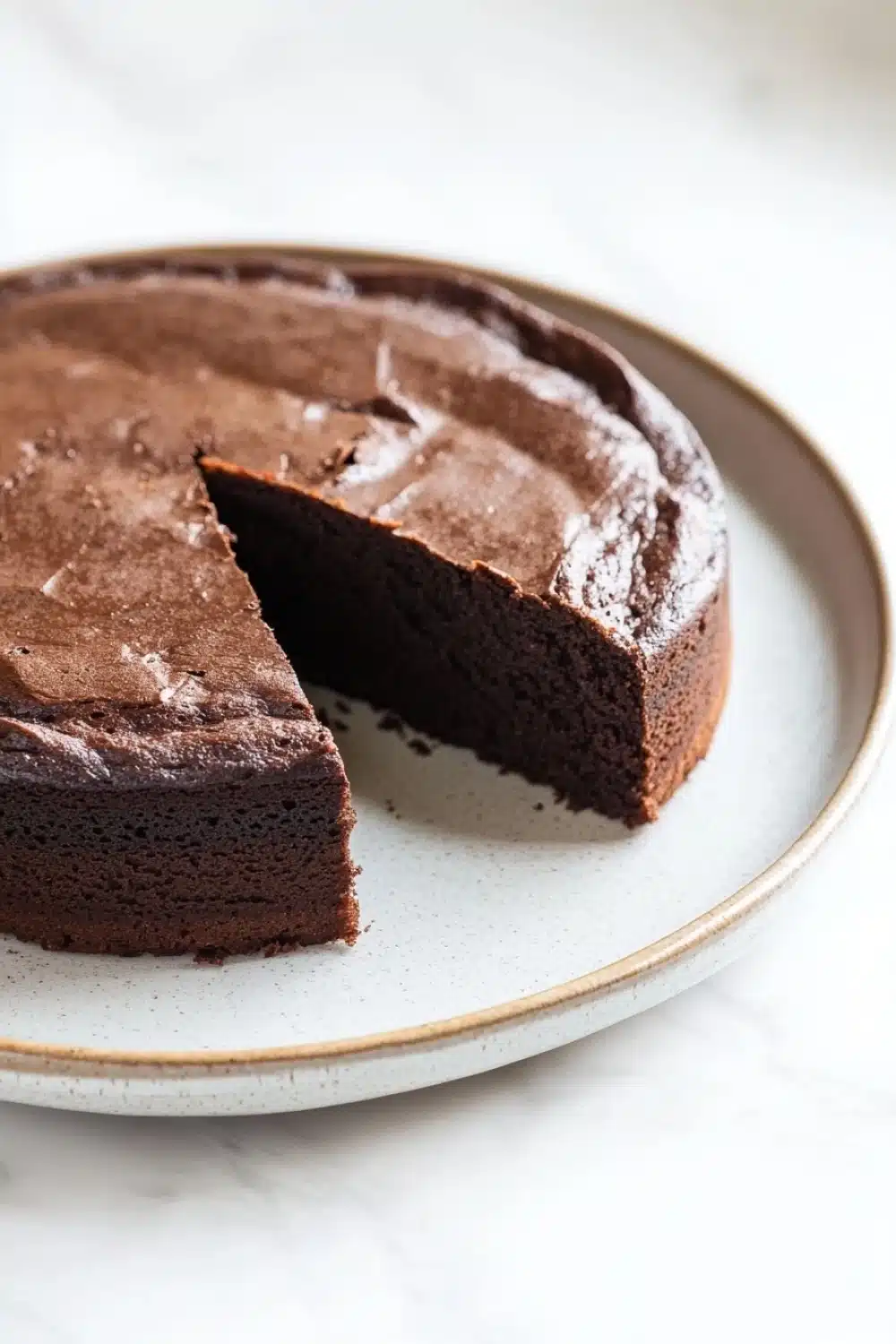
Chocolate dreams, but make it Japanese.
There’s a special kind of magic in a kitchen when you’re about to bake something both simple and uncommonly delicate. Today? A Japanese chocolate cake that’s anything but your average slice. It flirts with texture—airy yet rich, it’s a bit like biting into a whisper of cocoa rather than a dense brick.
This cake is a classic example of balancing act—folding beaten egg whites so gently that you don’t lose that lofty, cloud-like lift. I remember the first time I nailed it; the batter was so light it almost seemed to defy gravity. That’s the kind of kitchen mojo I chase relentlessly.
Ready to toss convention aside and get your hands beautifully messy? This Japanese chocolate cake will have you hooked from the first crumb to the last lick of the spatula.
If you’re looking for sweet treats to complement your breakfast spread, check out our Irresistible No-Cook Breakfast Potluck Ideas for some delicious inspiration.
Real-Life Wins with Japanese Chocolate Cake
- Perfect for those last-minute dinner guests—this cake takes under an hour from start to finish, so you won’t be stuck twiddling your thumbs.
- Its feather-light crumb means you can indulge without feeling like you just ate a brick. Seriously, it’s like biting into a chocolate cloud.
- Great for impressing friends who think chocolate cake = dense and heavy. This flips the script with its delicate, airy texture.
- Ideal for small celebrations or casual afternoons; serves eight, so there’s enough to share but not so much that it goes stale.
- Bonus: No fancy equipment needed. A bowl, whisk, spatula, and your trusty oven are all you need to whip this up—no sweat, no fuss.
Japanese Chocolate Cake
- Total Time: 45 minutes
- Yield: 8 1x
Description
A light and fluffy Japanese chocolate cake featuring a delicate texture and rich chocolate flavor, perfect for any occasion.
Ingredients
100 grams dark chocolate (70% cocoa), chopped
50 grams unsalted butter, cut into pieces
3 large eggs, separated
70 grams granulated sugar
40 grams cake flour, sifted
15 grams cocoa powder, sifted
1/4 teaspoon cream of tartar
30 milliliters whole milk
1/2 teaspoon vanilla extract
Pinch of salt
Instructions
Preheat the oven to 320°F (160°C). Grease and line an 8-inch (20 cm) round cake pan with parchment paper.
In a heatproof bowl, combine the chopped dark chocolate and unsalted butter. Melt over a double boiler or in short bursts in the microwave, stirring until smooth. Set aside to cool slightly.
In a separate bowl, whisk the egg yolks with half of the granulated sugar (35 grams) until the mixture becomes pale and slightly thickened.
Add the melted chocolate and butter mixture to the egg yolk mixture. Stir gently to combine.
Sift the cake flour, cocoa powder, and salt together. Gradually fold the dry ingredients into the chocolate mixture until just combined.
Add the milk and vanilla extract to the batter and gently mix until smooth.
In a clean bowl, beat the egg whites with cream of tartar until foamy. Gradually add the remaining granulated sugar (35 grams) while continuing to beat until stiff peaks form.
Gently fold one-third of the beaten egg whites into the chocolate batter to lighten it. Then carefully fold in the remaining egg whites in two additions, being careful not to deflate the mixture.
Pour the batter into the prepared cake pan and smooth the top with a spatula.
Bake in the preheated oven for 20 to 25 minutes, or until a toothpick inserted into the center comes out with moist crumbs but no wet batter.
Remove the cake from the oven and let it cool in the pan for 10 minutes. Then transfer to a wire rack to cool completely before serving.
- Prep Time: 20 minutes
- Cook Time: 25 minutes
Explore more:
Buzz in the Kitchen Recipes
Mastering the Japanese Chocolate Cake: Swaps, Science, and Saves
The Ingredient Shuffle: When You’re Out or Want a Twist
So you’ve got everything but the cake flour or want to play mix-and-match with your pantry gods. No sweat. Cake flour’s magic lies in its low protein content, giving you that feather-light crumb. If you’re out, sift all-purpose flour with a teaspoon of cornstarch for every cup. It’s the old baker’s hack — cuts through the gluten like a charm. Dark chocolate? Feel free to swing down to 60% cocoa if you’re after a less bitter bite or grab a bittersweet bar if you want more punch. Butter’s your fat anchor, but coconut oil or even a neutral olive oil can sneak in for a moist twist (don’t knock it till you try it). The eggs? Absolutely no shortcuts there — the separation and beating are your golden ticket to that floaty, cloud-like texture.
The Folding Dance: Why It Makes or Breaks Your Cake
Egg whites are the unsung heroes here — think of them as your batter’s inflatable life jackets. When you whisk egg whites with cream of tartar to stiff peaks, you’re trapping air bubbles that puff the cake up during baking. But—here’s the kicker—folding them in? It’s a delicate ballet. Slap those whites in too aggressively and you’ll deflate the mix, turning your fluffy dream into a sad pancake. Too gentle, and it won’t combine well, leaving you with streaks of egg white or flour pockets. I like to fold in thirds: first one-third to lighten the batter, then the rest in two gentle sweeps, using a spatula to scoop from the bottom and fold over the top, turning the bowl as you go. Patience here pays in spades — your cake’s texture will thank you.
Oops, It Collapsed! How to Rescue Your Cake From Disaster
Been there. The cake puffed up gloriously only to resemble a deflated balloon minutes after the oven door shut. Why? Three culprits usually:
- Overbaking or underbaking: Bake until a toothpick has moist crumbs, not dry ones— that’s your sweet spot.
- Underbeaten egg whites: If your peaks aren’t stiff enough, the cake won’t hold its structure.
- Too vigorous folding: Deflated batter = flat cake. Gentle is the mantra.
My trick—when your cake is still warm and collapsing, pop it in the fridge uncovered for 20 minutes. The chill firms it up slightly and can save the day. Also, a quick dusting of powdered sugar or a thin spread of whipped cream can mask minor imperfections and keep the party going.
Japanese Chocolate Cake FAQs
- Is this cake really light?
- Yes! The secret is folding those egg whites gently—it’s what gives the cake its airy, fluffy texture, leaving you with a melt-in-your-mouth experience rather than a dense brick.
- Can I use regular flour instead of cake flour?
- You could, but cake flour is low protein and helps keep the crumb tender. Using all-purpose flour might give you a slightly heavier texture, not quite the signature fluffiness this recipe aims for.
- Do I have to use cream of tartar?
- It’s not set in stone, but cream of tartar stabilizes the egg whites, making them less prone to collapsing. Without it, your meringue might deflate faster, risking a denser cake.
- How do I store leftovers?
- Keep the cake covered at room temp for a couple of days. For anything longer, wrap it up tight and stash it in the fridge. Just remember to bring it back to room temp so it’s soft and not stiff like a hockey puck.
- Can I add frosting or toppings?
- Absolutely! While traditionally enjoyed plain to savor its delicate chocolate flavor, a light dusting of powdered sugar, fresh berries, or a thin spread of whipped cream pairs beautifully without overpowering the cake.