
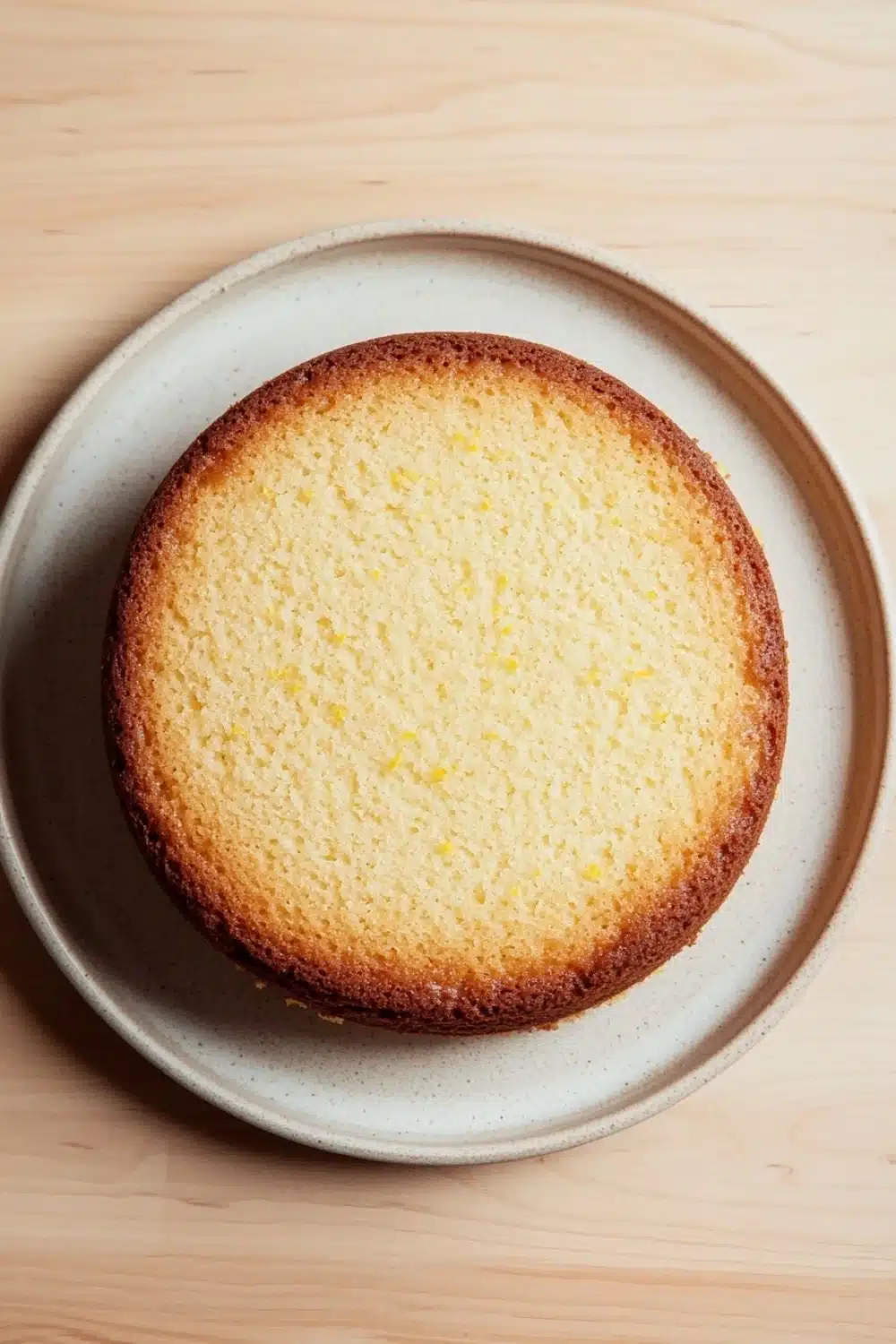
Sunlight hits the kitchen counter—time to bake.
This lemon cake layer isn’t just any cake; it’s a citrus bombshell that wakes you up before the first bite. The zing of freshly grated lemon zest and a splash of juice cuts through the buttery fluffiness, creating a texture so airy you’d swear it’s cloud-made. I’ve always believed that a great cake layer should stand tall and proud, holding its own between thick slabs of frosting or creamy fillings without turning into a soggy mess.
When I first tried this recipe, the batter’s smoothness felt like velvet slipping through my fingers—a sure sign of good eggs and proper mixing technique. No overmixing here, friends, because that’s the cardinal sin if you want a tender crumb.
Baking these layers is like watching gold rise in the oven; the smell alone could stop traffic. If you’re looking for a refreshing twist in your bakes, this lemon cake layer will be your go-to — trust me on this one.
If you’re looking to switch things up, try adding a zesty lemon cake layer for a refreshing twist in your dessert.
Real Life Benefits of This Lemon Cake Layer
- A speedy bake—ready from start to finish in just 45 minutes, perfect for last-minute gatherings or spontaneous weekend treats.
- Bright citrus zing that cuts through heavy frosting; balances sweetness without turning your tongue into a sugar swamp.
- Fluffy, tender crumb holds up like a champ under multiple layers and fillings—no sad, soggy cake disasters here.
- Easy to customize: swap lemon juice for other citrus or add herbs like lavender if you’re feeling fancy—but the base recipe is a solid workhorse.
- Great for prepping ahead—wrap it up tight, freeze, and pull out next month to wow the crew without breaking a sweat.

Lemon Cake Layer
- Total Time: 45 minutes
- Yield: 8 1x
Description
A light and fluffy lemon cake layer with a bright citrus flavor, perfect for stacking and layering with your favorite frostings or fillings.
Ingredients
2 1/2 cups all-purpose flour
2 1/2 teaspoons baking powder
1/2 teaspoon salt
1 cup unsalted butter, softened
1 3/4 cups granulated sugar
4 large eggs, at room temperature
1 teaspoon pure vanilla extract
1/4 cup freshly squeezed lemon juice
1 tablespoon finely grated lemon zest
1 cup whole milk, at room temperature
Instructions
Preheat the oven to 350°F (175°C). Grease and flour two 8-inch round cake pans and line the bottoms with parchment paper.
In a medium bowl, whisk together the all-purpose flour, baking powder, and salt. Set aside.
In a large bowl, beat the softened butter and granulated sugar together with an electric mixer on medium speed until light and fluffy, about 3-4 minutes.
Add the eggs one at a time, beating well after each addition. Then mix in the vanilla extract, lemon juice, and lemon zest until combined.
Reduce the mixer speed to low and alternately add the flour mixture and the milk to the butter mixture, beginning and ending with the flour mixture. Mix until just combined; do not overmix.
Divide the batter evenly between the prepared cake pans and smooth the tops with a spatula.
Bake in the preheated oven for 28-30 minutes, or until a toothpick inserted into the center of the cakes comes out clean.
Remove the cakes from the oven and allow them to cool in the pans for 10 minutes.
Run a knife around the edges to loosen the cakes, then invert them onto wire racks to cool completely before layering or frosting.
- Prep Time: 15 minutes
- Cook Time: 30 minutes
Explore more:
Breakfast Recipes
Mastering Your Lemon Cake Layer: Tricks and Tweaks
The Zest Swap: Tweaking Your Citrus Punch
Lemon zest is the rockstar here, but hey—what if you don’t have lemons? I’ve swapped in lime zest before; it’s a cheeky twist that keeps the zing alive, but with a slightly more herbal undertone. Orange zest? Too sweet and mellow for this gig, but a dash of grapefruit zest can punch up bitterness, giving your cake a hipster edge. Another hack? If you’re fresh out of citrus, a teaspoon of lemon extract steps in like a charm—just don’t go overboard or you’ll end up with a fake lemon vibe that’s all wrong. Always use fresh zest whenever possible—those oils are the secret sauce; dried zest is like a roadie that doesn’t know the setlist.
Why You Don’t Want to Overmix: The Gluten Tango
Mixing batter is a dance—and overdoing it leads to a tough cake. The moment you dump your flour into that luscious butter-egg concoction, gluten strands start forming. Too much agitation? They tighten up like a noose around your crumb, turning your fluffy dream into a chewy nightmare. Here’s my mantra: “mix until just combined.” This means stopping when you see no dry streaks. No more, no less. I know, temptation to go wild with the mixer is real, especially when you want that batter super smooth. Resist! Use a spatula for the final fold to keep the crumb tender. It’s a classic rookie mistake—don’t be that baker.
Fixing Flops: Salvaging a Soggy or Dry Lemon Cake
Soggy cake? It’s usually a sign of underbaking or batter that’s too wet. First off, verify your oven’s temp with a thermometer—many ovens lie. If it’s really soggy, pop the cake back in for 5-10 more minutes and keep a hawk’s eye on it. Sometimes that toothpick test is a fibber if the cake is dense. On the flip side, dry cake? That’s overbaking or too much flour. Next time, dial back baking time and measure your flour by spooning it into the cup—packing flour squeezes out moisture. You can also brush dry layers with simple syrup (equal parts sugar and water boiled, then cooled) to add moisture before frosting. It’s a cheeky hack, but it revives even the most parched cake layers. Been there, done that, ruined plenty before figuring this out!
Lemon Cake Layer FAQs
A: Absolutely! This cake is designed to be light and sturdy enough to stack. It holds up well to a variety of frostings and fillings without turning soggy or collapsing.
A: Yes, fresh lemon juice is a game changer here. It gives that punchy brightness that bottled juice just can’t match—trust me, I tried both. The zest also amps up the aromatic oils, making the flavor pop.
A: No, at least not without tweaking. Whole milk and butter play key roles in the texture and crumb. If you want a dairy-free version, substitute carefully with plant-based milk and vegan butter, but expect some texture differences.
A: At room temp, wrapped tight, it’s good for two days. Longer than that and you should freeze it — make sure to wrap in plastic then foil to avoid freezer burn. Defrost slowly in the fridge overnight to keep moisture locked in.
A: The golden rule: mix until just combined when you add the flour and milk alternately. Overmixing develops gluten, making the cake tough instead of tender. I usually stop as soon as I don’t see dry spots.