
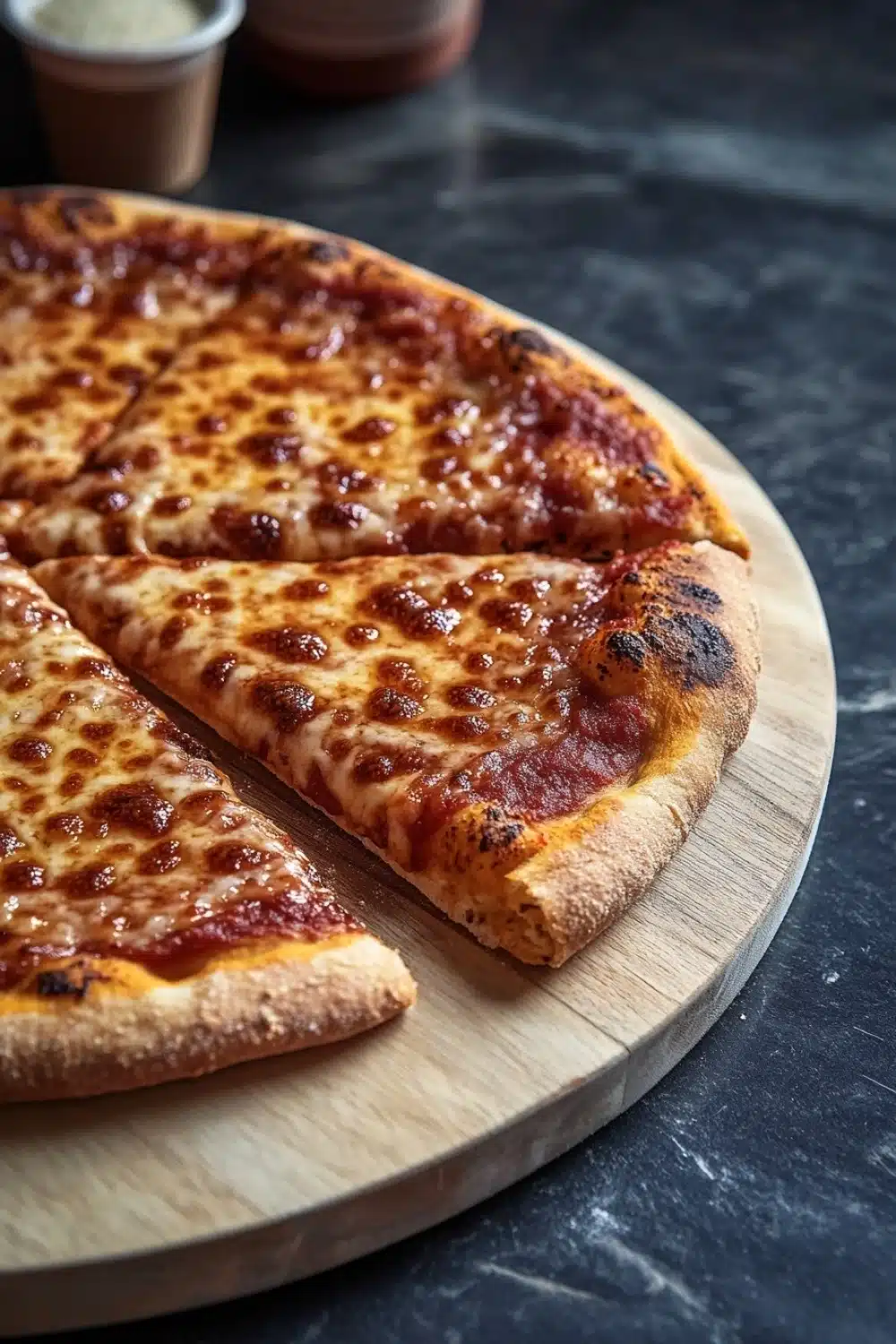
Gluten-free pizza? Absolutely.
In my kitchen, dough is sacred—and this King Arthur gluten free pizza crust recipe flips the script on what you expect from gluten-free baking. I remember the first time I tackled gluten-free dough; it was a gritty, crumbly mess that made me swear off pizza for weeks. But this flour blend? It’s a game-changer. The crust crisps up just right on the outside, yet keeps that chewy, satisfying bite that’s so crucial for a pizza base.
The magic starts when the yeast gets bubbly—like a little party brewing right in your mixing bowl. From there, it’s all about coaxing the dough into submission: a sticky, smooth canvas waiting to carry your favorite toppings. And yes, the secret weapon is the apple cider vinegar, which tames the gluten-free wildness with a subtle tang and tenderness that you won’t get from just flour alone.
This is no sad, floppy crust. It’s pizza crust done right for anyone dodging gluten but craving the real deal. Let’s get that oven fired up and make some pizza that’s worth bragging about—flair and all.
For those looking to try something different, check out our Sheet Pan Pizza with Store-Bought Dough: Quick, Tasty, No Fuss recipe, which pairs well with the King Arthur gluten free pizza crust.
Real Life Benefits of King Arthur Gluten Free Pizza Crust
- Whips up fast—35 minutes from start to finish means you can get a fresh pizza on the table quicker than most delivery windows.
- Gluten? Gone. This crust is a safe haven for those dodging gluten without sacrificing that crispy-chewy texture everyone craves.
- Two 12-inch pizzas per batch—perfect for date night or feeding a couple of hungry roommates without breaking the bank.
- Versatility on point: a blank canvas ready for anything from classic margherita to wild mushroom and arugula—your call.
- Leftovers? No sweat. This crust stores like a champ in the fridge or freezer, saving you from future cooking headaches.

King Arthur Gluten Free Pizza Crust
- Total Time: 35 minutes
- Yield: 2 12-inch pizzas 1x
Description
A delicious and easy-to-make gluten free pizza crust using King Arthur Gluten Free Flour Blend. Perfectly crispy on the outside and chewy on the inside, this crust serves as a great base for all your favorite pizza toppings.
Ingredients
2 1/4 teaspoons active dry yeast (one 0.25-ounce packet)
1 1/4 cups warm water (between 110°F and 115°F)
1 tablespoon granulated sugar
3 cups King Arthur Gluten Free Flour Blend
1 teaspoon xanthan gum
1 teaspoon salt
1 tablespoon olive oil, plus more for greasing
1 teaspoon apple cider vinegar
Instructions
In a small bowl, combine the warm water, yeast, and sugar. Stir gently and let sit for 5 to 10 minutes until the mixture is foamy.
In a large mixing bowl, whisk together the King Arthur Gluten Free Flour Blend, xanthan gum, and salt.
Add the foamy yeast mixture, olive oil, and apple cider vinegar to the dry ingredients.
Using a stand mixer fitted with a paddle attachment or a hand mixer, mix on medium speed for about 3 to 5 minutes until the dough is smooth and slightly sticky.
Lightly grease two 12-inch pizza pans or baking sheets with olive oil.
Divide the dough in half and transfer each portion to a prepared pan.
Using wet hands or a spatula, gently press and spread the dough evenly across each pan to form a thin crust about 1/4 inch thick.
Cover the dough loosely with plastic wrap or a clean kitchen towel and let it rest in a warm place for 15 minutes to slightly rise.
Preheat the oven to 425°F (220°C).
Remove the cover and bake the crusts for 10 minutes until they begin to set and slightly brown.
Remove the crusts from the oven, add your desired toppings, and bake for an additional 10 minutes or until the crust is golden and the toppings are cooked.
Let the pizzas cool for 5 minutes before slicing and serving.
- Prep Time: 15 minutes
- Cook Time: 20 minutes
Explore more:
Dinner Recipes
Mastering King Arthur Gluten Free Pizza Crust
The Yeast That Brings It All Together
Here’s the skinny: without active dry yeast, your gluten-free pizza crust is just sad dough. That little packet does more than puff things up — it kicks off fermentation, creating pockets that give you that sought-after chewiness. Don’t skimp on water temperature here. If it’s too hot, you’ll kill your yeast dead. Too cold, and it’ll just sit there sulking. Aim for 110°F to 115°F — warm bath vibes, not a sauna. I’ve seen folks dump yeast straight into cold water, then wonder why nothing’s rising. Spoiler alert: yeast is a diva and wants comfort. Also, sugar isn’t just sweetness; it’s yeast’s fuel. Think of it as throwing a party with yeast as the guest of honor.
Why Xanthan Gum Is Your Crust’s Best Wingman — No Gluten, No Problem
Gluten-free flour is a wild child — it doesn’t hold together or stretch the way wheat flour does. Enter xanthan gum, the unsung hero in gluten-free baking. Without it, your dough is crumbly, stubborn, and about as cooperative as a cat on bath day. Xanthan gum acts like glue, giving your crust that stretchy, pliable texture you crave. But too much? You’ll get a gummy mess that sticks to your teeth (not the vibe). I stick to 1 teaspoon for this recipe — just enough to keep things in line. Here’s a pro tip: whisk it well with your flour blend before adding liquids. It helps distribute the gum evenly, so every bite hits the right note. Think of xanthan gum as the DJ spinning the right beats to keep the gluten-free party jumping.
Fixing Common Flops — From Dough Disaster to Pizza Perfection
Sometimes, despite your best hustle, the dough’s a hot mess. Here’s the cheat sheet:
- Dough too sticky? Add a sprinkle of flour, a tablespoon at a time. Use wet hands to keep from turning your dough into a dust cloud.
- Dough too dry and crumbly? Splash in some warm water, but go slow — you want pliable, not soupy.
- Crust comes out too dense? Make sure you’re letting it rest. That 15-minute warm spot rise isn’t optional — it lets the yeast work its magic.
- Crust burns before toppings cook? Lower your oven rack or reduce temperature by 10-15 degrees — your crust needs a little TLC too.
One time, I forgot to oil my pans. Result? Dough stuck like a barnacle to the hull. Lesson learned: olive oil is your crust’s best friend in the pan. Don’t skip that step or you’ll be hacking away from your baking surface. Trust me, patience and the right tweaks turn even a newbie pizza maker into a saucy legend.
King Arthur Gluten Free Pizza Crust FAQs
A: Nope, this recipe specifically calls for King Arthur Gluten Free Flour Blend because it’s formulated to mimic the texture of normal flour while keeping things gluten-free. Swapping in regular flour would change the whole game—expect a different dough behavior and texture.
A: Yes. Xanthan gum acts like the gluten in regular dough, giving that stretchy, chewy feel. Without it, your crust might crumble and be more cracker-like. It’s the unsung hero in gluten-free baking, trust me.
A: Absolutely! You can mix up the dough and keep it in the fridge for up to 24 hours sealed tight in an airtight container. Just bring it back to room temp before you spread it out. This little trick helps develop flavor and makes your pizza night stress-free.
A: While the crust is pretty resilient, wet toppings can still turn it soggy if you pile them on too thick or skip the initial 10-minute bake. The par-bake step is crucial—it firms up the crust and keeps the sogginess at bay.
A: Yep, it’s straightforward enough even if you’re new to gluten-free baking. Just remember to proof the yeast properly and don’t skip that quick rest period before baking. If you can mix and spread dough, you’re golden.