
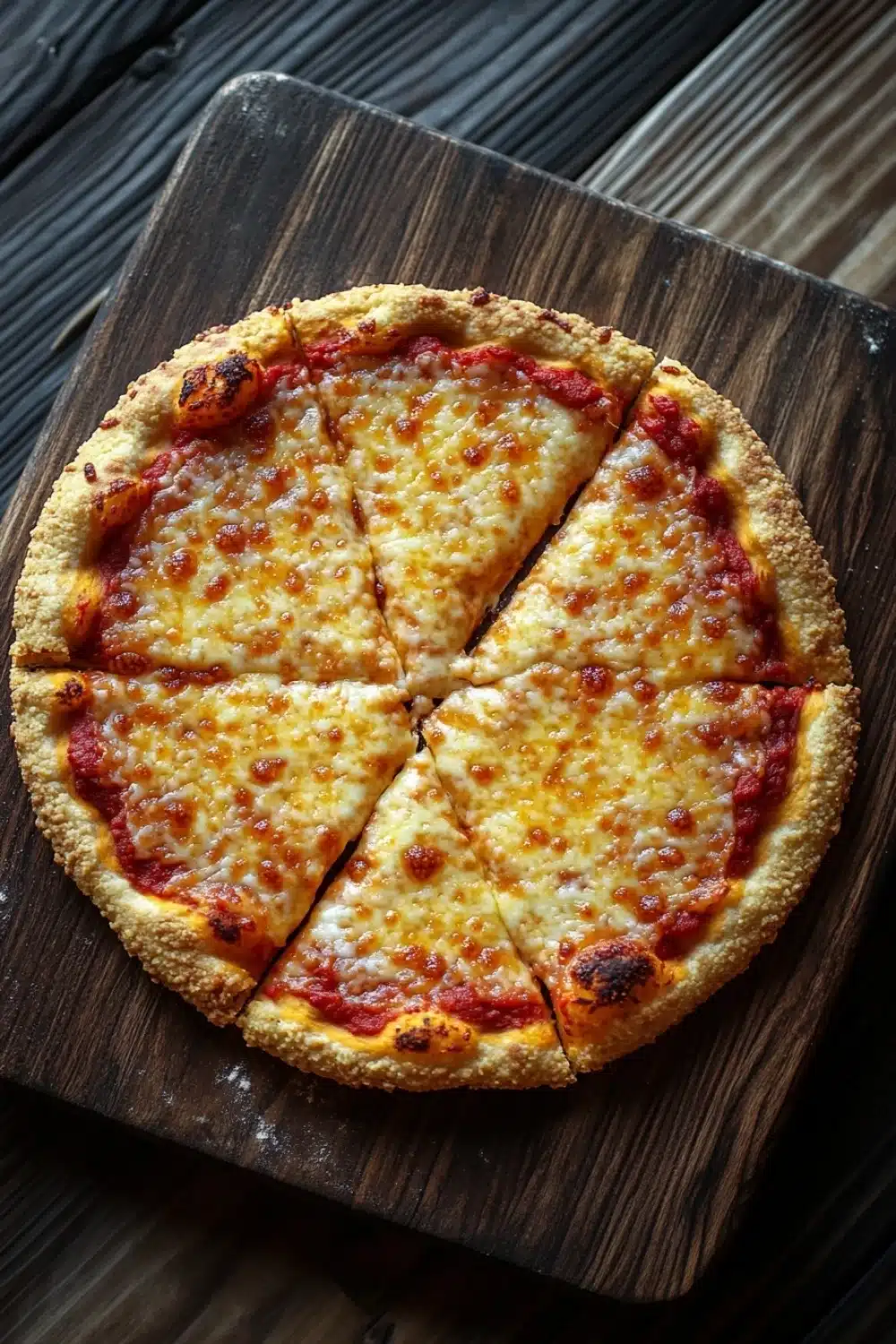
Craving pizza without the carb crash?
In my kitchen, the air buzzes with the scent of garlic and oregano—herbs that promise boldness in every bite. This keto pizza crust recipe has been my go-to when I want to dodge gluten yet still dive into that crispy, tender goodness that traditional dough offers. It’s a quick mix, a few folds, and voilà—ready to hit the oven.
The magic lies in the almond and coconut flour blend, which gives you that crackling crust edge without the usual crumbly aftermath. Trust me, I’ve wrestled with countless gluten-free doughs, but this one holds toppings like a champ—no soggy bottom blues here. Plus, it’s a low-carb win, perfect for anyone walking the keto tightrope.
Ready to toss on your favorite keto-friendly toppings? Let’s get this crust singing—crispy, golden, and just the right amount of chew. This isn’t just pizza; it’s your new keto kitchen MVP.
If you’re looking for a delicious keto pizza crust gluten free option, be sure to check out our Protein-Packed Chicken Broccoli Casserole for Dinner Bliss for a hearty and healthy meal.
Real-Life Perks of This Keto Gluten-Free Pizza Crust
- Zero carb guilt: Perfect for those low-carb warriors who crave pizza without the carb crash.
- Gluten-free and proud—no more dodging pizza nights or dealing with belly bloat.
- Crispy outside, tender inside: nails the texture combo everybody talks about but few crusts deliver.
- Quick turnaround: From mixing bowl to oven-ready in under 10 minutes. Perfect for when hunger hits hard and fast.
- Leftovers? Toss ‘em in the fridge or freezer—this crust bounces back crisp and tasty after reheating.

Keto Gluten-Free Pizza Crust
- Total Time: 25 minutes
- Yield: 2 (8-inch pizzas) 1x
Description
A delicious and easy keto-friendly pizza crust that is completely gluten-free, perfect for low-carb and gluten-sensitive diets. This crust is crispy on the outside, tender on the inside, and holds your favorite toppings beautifully.
Ingredients
1 1/2 cups almond flour
1/4 cup coconut flour
1 teaspoon baking powder
1/2 teaspoon garlic powder
1/2 teaspoon dried oregano
1/4 teaspoon salt
2 large eggs
2 tablespoons olive oil
1/4 cup water
Instructions
Preheat your oven to 375°F (190°C) and line a baking sheet with parchment paper.
In a large mixing bowl, combine the almond flour, coconut flour, baking powder, garlic powder, dried oregano, and salt. Stir well to evenly distribute all dry ingredients.
In a separate small bowl, whisk together the eggs, olive oil, and water until fully combined.
Pour the wet ingredients into the dry ingredients and mix thoroughly with a spatula or your hands until a dough forms. The dough should be slightly sticky but manageable.
Divide the dough into two equal portions for two 8-inch pizzas.
Place one portion of dough on the prepared baking sheet and press it out evenly into an 8-inch circle, about 1/4 inch thick. Repeat with the second portion if baking both at once, leaving space between them.
Bake the crust(s) in the preheated oven for 12 to 15 minutes, or until the edges are golden brown and the crust is firm to the touch.
Remove the crust(s) from the oven and add your preferred keto-friendly pizza toppings.
Return the topped pizza(s) to the oven and bake for an additional 8 to 10 minutes, or until the cheese is melted and bubbly.
Remove from the oven, let cool for a couple of minutes, then slice and serve.
- Prep Time: 10 minutes
- Cook Time: 15 minutes
Explore more:
Dinner Recipes
Keto Gluten-Free Pizza Crust Mastery
The Almond & Coconut Flour Tag Team: Why They Work Together
Almond flour and coconut flour aren’t just pantry standbys—they’re the dream duo that gives this crust its magic. Almond flour brings moisture and a tender crumb; it’s the soft whisper behind that crisp crunch. Coconut flour, on the other hand, is the heavy hitter. It’s like a sponge that grabs onto moisture and holds the dough together, preventing crumbly disasters. Swap almond flour for all-purpose and you’re toast—literally. The fat content in almond flour keeps the crust from drying out, while coconut flour’s fiber lends structure that gluten would normally provide. Pro tip: If you go heavy on coconut flour, expect a dry, crumbly mess. So keep that 6:1 almond to coconut ratio tight, or your dough will be more sandcastle than pizza base.
Press, Don’t Roll: The Art of Dough Handling
Rollers? Not here. This dough hates the cold steel and will crack faster than a bad joke. Instead, I use my hands—cold, wet, slightly tacky fingers pressing the dough out into shape. It’s tactile therapy, and it keeps the crust from turning into a cracked desert. Thickness matters, too. One-quarter inch is the sweet spot. Thinner, and you risk a floppy mess once loaded with toppings. Thicker? You end up with a doughy center that mocks your waistline ambitions. Don’t fret if it’s a little sticky—grab parchment paper and press between sheets if you’re squeamish about mess. This method is as old school as grandma’s pizza nights, and trust me, it works every time.
When Crusts Go Rogue: Common Pitfalls & Fixes
Ever had your crust turn gummy or flop under toppings? Welcome to the club. The usual culprit is water content—too much or too little. This recipe calls for a modest 1/4 cup water, but humidity and almond flour brands vary wildly. If your dough feels more like paste than dough, add a pinch more almond flour, a little at a time. Too dry? Splash in a teaspoon of water or olive oil; no more or you’re sunk. Baking temperature matters, too. Under 375°F? Your crust will resemble underbaked cardboard. Over 400°F? Burnt edges before the center cooks through. Another rookie mistake is skipping the pre-bake (par-bake). This step locks in that crispy fortress, preventing soggy bottoms when your toppings get slippery. Last nugget: let the crust cool a minute or two post bake—this firms it up, so slicing doesn’t turn into a pizza massacre.
Keto Gluten-Free Pizza Crust FAQs
Yes! This recipe is naturally dairy-free since it doesn’t call for cheese or butter in the crust. Just double-check your toppings to keep it fully dairy-free.
Trust me, the trick is in the bake time and reheating. Bake until golden brown edges appear, then avoid soggy toppings that drip too much moisture. When reheating, a hot oven (350°F) for a few minutes restores the crunch better than a microwave.
Absolutely. You don’t need fancy ingredients or complicated steps. Just mix, press, bake, and top. I remember my first keto pizza attempt—this crust was my game-changer because it holds up well and doesn’t crumble like some nut-flour mixes tend to. Perfect for keeping carbs low but flavor high.
Yes, doubling is straightforward. Just keep an eye on your oven space and baking times—more dough means you might need to bake in batches or adjust your rack positions for even heat. This crust is forgiving, but don’t overcrowd your pans.
Nope, skip it at your own risk. Coconut flour soaks up moisture differently and balances the almond flour’s texture. Substituting with more almond flour usually results in a soggy or crumbly mess—been there, done that. Stick to the blend for best results.