
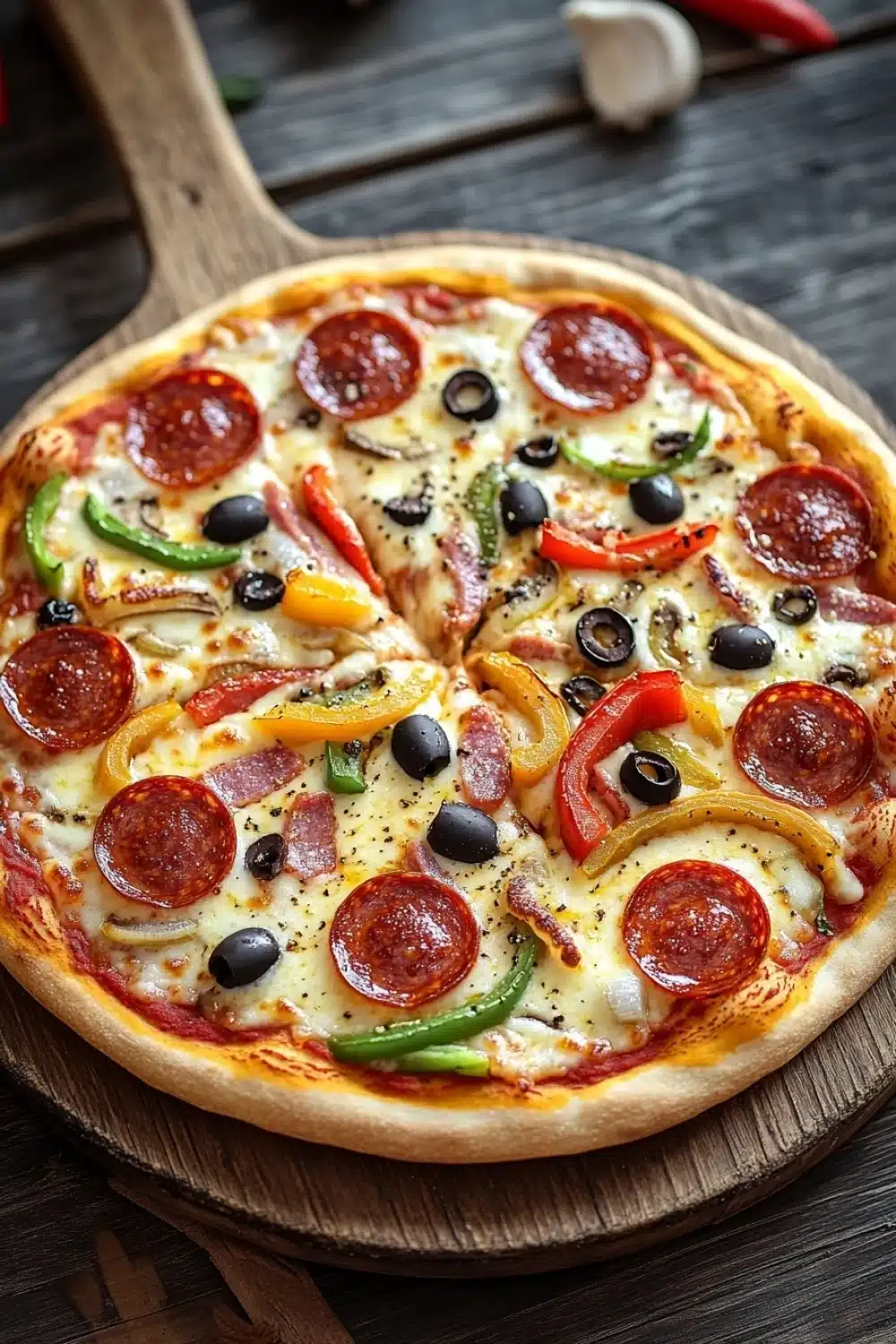
Nothing beats that first crackle.
There’s a special kind of magic when you hear the crust hit the hot cast iron pan—like a sizzling overture promising crispy, chewy goodness. I remember my first attempt: the kitchen filled with the aroma of toasty dough mingling with bubbling cheese, a smell so addictive it made me ditch takeout forever.
Making pizza on a cast iron pizza pan isn’t just about tossing dough and toppings together; it’s about coaxing out the perfect crust, that golden edge with a slight char, the kind you can’t get from your average pizza stone. You’re working with heat retention, skillet seasoning, and a bit of kitchen intuition—this is where the kitchen becomes your stage.
Get your dough right, treat your pan like a trusted sidekick, and watch the magic unfold. It’s rustic, it’s hands-on, and it’s ridiculously satisfying.
If you’re looking to perfect your pizza on cast iron pizza pan skills, check out our Mastering Deep Dish Pizza with Premade Dough: A No-Fuss Guide for some easy tips.
Real-Life Wins from Making Cast Iron Pan Pizza
- Quick turnaround: From zero to pizza hero in just 35 minutes—perfect for weeknight hunger pangs.
- Crispy crust fanatics, rejoice! The cast iron skillet locks in that coveted crunch without turning your kitchen into a smokehouse.
- Less mess, less stress: Toss dough straight into the skillet—no pizza stone or fancy gear needed.
- Customizable toppings mean everyone gets their slice just how they like it—pepperoni, bell peppers, or olives, no judgment here.
- Leftovers reheat like a charm—just a few minutes in a skillet and the crust snaps back to life, no soggy aftermath.

Cast Iron Pan Pizza
- Total Time: 35 minutes
- Yield: 4 1x
Description
A crispy, golden crust pizza made effortlessly in a cast iron skillet. This recipe yields a delicious homemade pizza with a perfectly chewy crust, melted cheese, and your favorite toppings, all cooked to perfection on the stovetop and finished in the oven.
Ingredients
1 1/2 cups all-purpose flour
1 teaspoon active dry yeast
1/2 teaspoon sugar
1/2 teaspoon salt
1/2 cup warm water (about 110°F)
1 tablespoon olive oil, plus extra for the pan
1/2 cup pizza sauce
1 1/2 cups shredded mozzarella cheese
1/4 cup sliced pepperoni
1/4 cup sliced bell peppers
1/4 cup sliced black olives
Instructions
In a small bowl, combine warm water, sugar, and active dry yeast. Stir gently and let sit for 5 minutes until foamy.
In a large mixing bowl, combine flour and salt. Add the yeast mixture and 1 tablespoon olive oil. Stir until a dough forms.
Turn the dough onto a floured surface and knead for 5 minutes until smooth and elastic.
Place the dough in a lightly oiled bowl, cover with a clean towel, and let it rise in a warm place for 10 minutes.
Preheat your oven to 450°F (232°C).
Lightly oil a 10-inch cast iron skillet with olive oil.
Roll out the dough on a floured surface to roughly the size of your skillet.
Place the dough into the cast iron skillet, pressing it to cover the bottom and slightly up the sides.
Spread the pizza sauce evenly over the dough.
Sprinkle shredded mozzarella cheese over the sauce.
Add pepperoni slices, bell peppers, and black olives evenly over the cheese.
Place the skillet on the stovetop over medium heat and cook for 5 minutes to crisp the bottom of the crust.
Transfer the skillet to the preheated oven and bake for 12-15 minutes until the cheese is melted and bubbly and the crust is golden brown.
Remove the skillet from the oven carefully. Let the pizza cool for 3-5 minutes before slicing and serving.
- Prep Time: 15 minutes
- Cook Time: 20 minutes
Explore more:
Dinner Recipes
Mastering Cast Iron Pan Pizza: Tricks, Tweaks, and Troubleshooting
The Crust: Why Cast Iron Works Its Magic
Cast iron is the secret weapon here. Its heavyweight heat retention beats any standard pan—meaning you get that coveted crispy bottom without turning your stovetop into a smokehouse. When you slap the dough into the oiled skillet and give it five minutes on medium heat, the crust starts forming a golden, blistered crust that screams ‘grab me now.’ This step is non-negotiable; skipping it leads to a soggy bottom that’s no bueno. I learned this the hard way—once, I rushed and popped the skillet straight into the oven. The dough steamed instead of searing, resulting in a floppy mess. Don’t be that person. Trust the pan. Give it some love on the burner first.
Swapping Ingredients Without Losing Your Mind
All-purpose flour is the baseline—but feel free to tango with bread flour for a chewier bite. Bread flour’s higher protein content builds more gluten, which means more chew and structure. Don’t have that? No sweat. Just expect a slightly softer crust. Oh, and sugar? It’s more than a sweetener; it fuels the yeast’s rise and helps the crust brown better. Skipping sugar? Your crust might come out pale and less bubbly. For toppings, the sky’s the limit—but beware water-heavy veggies like mushrooms or fresh tomatoes; they dump juice and kill crispness. If you’re tossing bell peppers and olives, like in this recipe, you’re in the clear. Pro tip: pre-sauté wet veggies or pat them dry first. Lastly, that olive oil—don’t skimp. A tablespoon in the dough and a slick in the pan make all the difference between sticking and sliding.
Fixing Common Pitfalls — The Art of the Rescue
Sometimes, your pizza crust refuses to crisp, or your dough overproofs and collapses. Panic? Nah. Here’s the game plan:
- Soggy crust: Pop the skillet back on medium heat for 2-3 minutes before slicing. This helps evaporate trapped moisture.
- Sticky dough: Flour your hands and surface generously. Too sticky usually means under-kneaded or too warm a rise.
- Dough not rising: Check your yeast’s freshness. A quick bubble test in warm water works wonders.
- Burnt edges but raw center: Lower your stovetop heat slightly. Cast iron holds heat like a beast, so a medium-low setting is often better.
These fixes might sound like trial by fire, but once you nail them, your cast iron pan pizza game goes from ‘meh’ to ‘legendary.’
Cast Iron Pan Pizza FAQs
Can I use regular yeast instead of active dry yeast?
Yes, you can. Just make sure to adjust the proofing time since instant yeast works faster. Active dry yeast builds those nice bubbles that make the crust chewy—kind of like the OG for dough rising.
Do I need to preheat the cast iron skillet?
Preheating isn’t necessary here. The goal is to let the dough crisp up gradually on medium heat before the oven finish. Cranking it hot from the start can burn the bottom while leaving the inside doughy—definitely not the vibe we’re after.
Why does the recipe call for both stovetop and oven cooking?
This two-step technique is the real MVP. First, the stovetop crisps the crust’s underside—the “bottom crust hustle,” if you will—while the oven melts cheese and cooks toppings evenly. Skip one, and you might end with soggy or burnt bits. Trust me, I’ve been there.
Can I customize toppings?
Heck yes! Pepperoni, bell peppers, olives are just a starting point. Think of your skillet pizza as a blank canvas—stack it with mushrooms, onions, fresh basil, or even pineapple if you like dancing on the wild side.
How long does the dough need to rise?
Only about 10 minutes. This quick-rise approach keeps things moving fast and still gets you that chewy crust. If you can spare more time, an hour or so will deepen flavor, but ain’t nobody got time for that on a weeknight.