
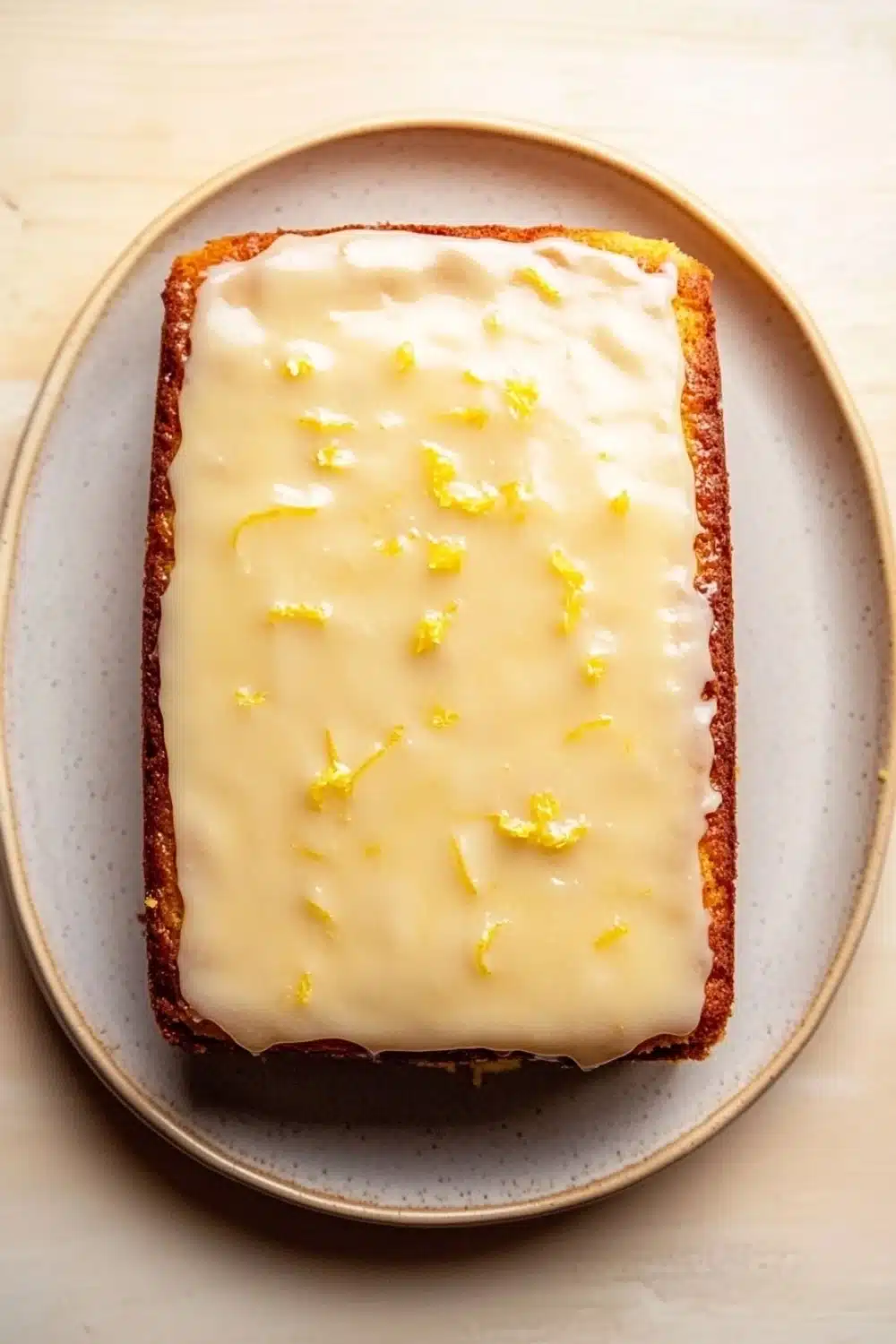
Sunshine in a pan.
There’s something about baking a 9 x 13 lemon cake that turns the kitchen into a citrus haven. The zing of fresh lemon zest mingling with butter and sugar is like a wake-up call for the senses—bright, sharp, and utterly addictive. I remember the first time I whipped this up on a lazy Sunday afternoon, the whole house humming with the scent of sweet and tangy promise.
Mixing the batter is a dance—creaming butter and sugar until fluffy, folding in lemon juice and zest, then carefully alternating flour with milk so it stays light and airy. The oven timer becomes your best friend as the cake bakes, slowly transforming into golden perfection. The glaze? Oh, that drizzle of lemony sweetness is the jackpot—never skimp on it, or you’ll miss the full punch of this cake’s charm.
Whether it’s a casual get-together or a weekend treat, this cake always steals the show. It’s comfort and bright flavor all rolled into one simple 9 x 13 pan—no fancy tricks needed, just good ingredients and a little love.
If you’re in the mood for something zesty, try our delicious The Ultimate German Chocolate Sheet Cake Recipe for Any Occasion after enjoying a refreshing 9 x 13 lemon cake.
Why This 9 x 13 Lemon Cake Works Wonders in Real Life
- Feeds a hungry crowd without the fuss—12 decent-sized slices that vanish fast at any shindig.
- Prep-to-bake clock? Under an hour. Perfect for last-minute dessert emergencies or spontaneous bake-offs.
- The tangy lemon glaze cuts through richness, keeping every bite bright and far from cloying.
- Stores like a champ—room temp or fridge—so you can make it ahead and still have a fresh-tasting crowd-pleaser.
- No weird ingredients or complicated steps. Just basics from your pantry with a zesty twist, making it beginner-friendly but still crowd-worthy.

9 x 13 Lemon Cake
- Total Time: 55 minutes
- Yield: 12 1x
Description
A moist and tangy lemon cake baked in a 9 x 13-inch pan, perfect for gatherings or a refreshing dessert. Topped with a light lemon glaze for extra citrus flavor.
Ingredients
2 1/2 cups all-purpose flour
2 1/2 teaspoons baking powder
1/2 teaspoon salt
1 cup unsalted butter, softened
1 3/4 cups granulated sugar
4 large eggs
1 teaspoon pure vanilla extract
1 cup whole milk
1/4 cup fresh lemon juice
2 tablespoons lemon zest (from about 2 lemons)
1/2 cup powdered sugar (for glaze)
2 tablespoons fresh lemon juice (for glaze)
Instructions
Preheat the oven to 350°F (175°C). Grease a 9 x 13-inch baking pan and lightly flour it, or line it with parchment paper.
In a medium bowl, whisk together the all-purpose flour, baking powder, and salt. Set aside.
In a large bowl, using an electric mixer, cream the softened butter and granulated sugar together on medium speed until light and fluffy, about 3 to 4 minutes.
Add the eggs one at a time, beating well after each addition.
Mix in the vanilla extract, lemon juice, and lemon zest until combined.
Alternately add the dry flour mixture and the milk to the butter mixture, beginning and ending with the flour mixture. Mix on low speed just until combined after each addition. Do not overmix.
Pour the batter evenly into the prepared 9 x 13-inch pan and smooth the top with a spatula.
Bake in the preheated oven for 30 to 35 minutes, or until a toothpick inserted into the center comes out clean.
Remove the cake from the oven and allow it to cool in the pan on a wire rack for 15 minutes.
While the cake cools, prepare the lemon glaze by whisking together the powdered sugar and 2 tablespoons of fresh lemon juice until smooth.
After the cake has cooled for 15 minutes, drizzle the lemon glaze evenly over the top of the cake.
Allow the cake to cool completely before slicing and serving.
- Prep Time: 20 minutes
- Cook Time: 35 minutes
Explore more:
Buzz in the Kitchen Recipes
Mastering the 9 x 13 Lemon Cake: Tips, Tricks, and Fixes
The Butter-Sugar Tango: Why Creaming Matters
Let me tell you—getting that butter and sugar to flirt just right is the bedrock of this cake’s texture. When you cream butter and sugar, you’re actually trapping air pockets that puff up during baking, giving the crumb its tender lift. Rushing this step? Big no-no. I once tossed the mix together in under a minute, thinking it’d save time—ended up with a dense brick instead of a fluffy cake. So grab your electric mixer, crank medium speed, and let it get that pale, fluffy vibe for a solid 3-4 minutes. It’s the little thing that separates “meh” from “heck yeah.”
Swap This, Not That: Ingredient Hacks That Work
Need to make a swap? Here’s the lowdown:
- Whole Milk: No milk? Use buttermilk or even plain yogurt—both add tang that vibes well with lemon but might slightly tweak the texture. Avoid skim; it’s too thin.
- Butter: Unsalted’s best for control, but salted butter is fine—just skip the extra salt in the recipe.
- Lemon Juice: Fresh is king here. Bottled lemon juice tends to have that chemical twang, which can kill the cake’s fresh zing. If you’re desperate, add a pinch of lemon zest to fake some brightness.
Remember, this isn’t one of those “dump and go” recipes where you can swap willy-nilly. Each ingredient plays a role in both flavor and chemistry.
No Grit, No Sweat: Fixing the Common Mix Mess-Ups
Here’s the scoop on common hiccups:
- Grainy or gritty batter? Could be sugar not fully creamed or cold butter thrown in. Warm butter softens easier, so always let it hang out at room temp until it’s squishy.
- Dry, crumbly cake? You overmixed the flour or overbaked. Flour’s gluten will toughen if you go rogue with mixing; stop as soon as the streaks vanish. Timers are your friends. Don’t play peekaboo with the oven door.
- Flat, dense cake? Check your baking powder—expired leavening is a silent killer. Also, make sure to beat those eggs in one at a time; it emulsifies the batter for better rise.
And the glaze—don’t drown the cake. Drizzle thinly and let it soak in gradually, or you’ll end up with a soggy mess. Like a lemony handshake, it should be light and inviting, not a slap.
Lemon Cake FAQs
Yes, you can—but fresh lemon juice really punches up the zing and brightness. Bottled juice tends to be a bit flat in flavor, which might make your cake just meh instead of wow.
Whole milk adds richness that keeps the crumb moist and tender. You could swap in 2% or even buttermilk for a slight tang and moisture boost. Just remember, the milk choice tweaks texture and flavor subtly.
Store it airtight at room temp for up to two days before it starts to dry out. Pop it in the fridge if you need it longer—up to five days. Freeze without glaze for a couple months, then thaw and glaze fresh. It’s a lifesaver for planning ahead.
Absolutely, but you’ll want a reliable gluten-free flour blend with xanthan gum to mimic that tender crumb. Expect a bit of difference in texture, but the lemon kick will still shine through.
Totally. The flavors are bright but not overwhelming, and the texture is soft enough to charm picky eaters. Just keep an eye on the lemon zest quantity if your crew isn’t zest-savvy yet!