
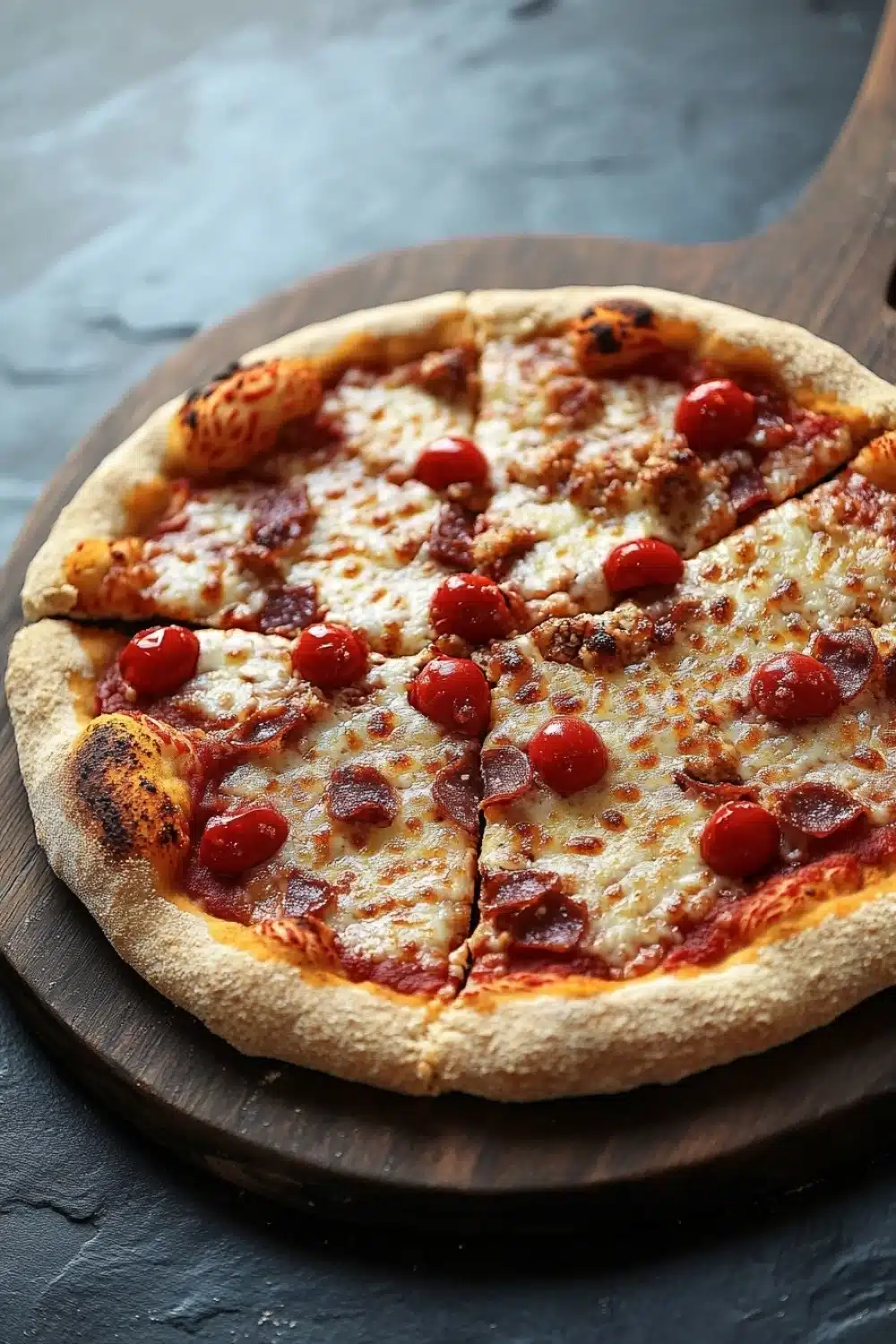
Crust crisis? Not anymore.
There’s something magic about psyllium husk—an unsung hero in the gluten-free world—that brings that chew and stretch we all chase in a pizza base. It’s like giving your dough a little extra oomph, the kind that makes it hold together without turning into a crumbly mess. I remember my first attempt: a sad, dry pizza slab that barely held its toppings. Enter psyllium husk, and suddenly, the game changed.
Mixing the dough feels like a low-key ritual. The yeast bubbles awake, the flour blend waits patiently, and the husk powder gets to work binding everything with a bit of grit and a lot of character. The kitchen gets cozy with the aroma of yeast and olive oil, and the dough rises—a quiet promise of what’s to come.
Once baked, this crust isn’t just gluten-free; it’s got character. Crisp edges, a soft, chewy middle—a crust that doesn’t scream “gluten-free” but whispers it with confidence.
If you’re interested in gluten free pizza crust psyllium husk options, be sure to check out our guide on How to Make Deep Dish Pizza with Tangy Sourdough Crust for a delicious twist.
Why This Gluten-Free Psyllium Husk Pizza Crust Rocks in Real Life
- No more cardboard crusts—psyllium husk gives this dough that chewy, stretchable vibe you crave, mimicking the gluten you miss.
- Quick prep means you’re tossing pizza in the oven faster than your local takeout can answer the phone.
- The crust holds up under a mountain of toppings without turning soggy or falling apart—no more pizza flop.
- Easy day? Make dough in advance, stash it in your freezer, and pull out fresh crust anytime. Pizza night, sorted.
- Plus, this recipe dodges the typical dry, crumbly trap of GF baking, thanks to a smart combo of xanthan gum and apple cider vinegar magic.

Gluten-Free Pizza Crust with Psyllium Husk
- Total Time: 35 minutes
- Yield: 2 (12-inch pizzas) 1x
Description
A delicious and chewy gluten-free pizza crust made with psyllium husk for perfect texture and elasticity. This crust is easy to prepare and works well with your favorite pizza toppings.
Ingredients
1 1/2 cups gluten-free all-purpose flour blend (ensure it contains xanthan gum)
1 tablespoon psyllium husk powder
1 teaspoon baking powder
1/2 teaspoon salt
1 teaspoon sugar
1 tablespoon active dry yeast
3/4 cup warm water (about 110°F / 43°C)
1 tablespoon olive oil, plus extra for greasing
1 teaspoon apple cider vinegar
Instructions
In a small bowl, combine the warm water, sugar, and active dry yeast. Stir gently and let it sit for 5 to 10 minutes until the mixture becomes frothy.
In a large mixing bowl, whisk together the gluten-free flour, psyllium husk powder, baking powder, and salt until well combined.
Add the frothy yeast mixture, olive oil, and apple cider vinegar to the dry ingredients.
Mix the ingredients using a wooden spoon or a hand mixer with dough hooks until a dough forms. The dough should be slightly sticky but manageable. If too dry, add 1 to 2 tablespoons of warm water; if too wet, add a little more gluten-free flour.
Lightly grease a clean bowl with olive oil and place the dough inside. Cover the bowl with a clean kitchen towel or plastic wrap and let it rise in a warm place for 30 minutes.
Preheat your oven to 425°F (220°C). Line a baking sheet or pizza stone with parchment paper and lightly brush with olive oil.
Transfer the dough onto the prepared baking sheet. Using wet hands or a rolling pin between two sheets of parchment paper, shape the dough into a 12-inch round pizza crust about 1/4 inch thick.
Bake the crust in the preheated oven for 12 minutes until it starts to set but is not fully browned.
Remove the crust from the oven, add your desired toppings, and return to the oven to bake for an additional 8 minutes or until the crust is golden and toppings are cooked.
Remove the pizza from the oven, let it cool for 5 minutes, slice, and serve.
- Prep Time: 15 minutes
- Cook Time: 20 minutes
Explore more:
Dinner Recipes
Mastering Gluten-Free Pizza Crust with Psyllium Husk
The Psyllium Power Play—Why It’s a Game Changer
Ever wrestled with gluten-free dough that crumbles like a bad breakup? Psyllium husk is the MVP here. This humble powder works like a secret weapon by mimicking gluten’s stretchy, binding vibe without the actual gluten. It soaks up water and forms a gel-like matrix—think of it as the dough’s invisible scaffolding, giving your crust chewiness and elasticity that usually only wheat flour can deliver. Without it, your crust risks being a dry, crumbly mess or worse, a sad flatbread that flakes apart while you’re loading your toppings. Psyllium husk powder also helps trap air bubbles during the rise, so your crust puffs up with a nice, tender crumb rather than just sitting flat like a pancake.
Ingredient Swaps That Actually Work (Or Don’t)
Gluten-free baking isn’t a free-for-all; you can’t just throw in any old flour and expect a miracle. The recipe calls for a gluten-free all-purpose flour blend with xanthan gum—don’t skip the gum! It’s the duct tape holding everything together. If you want to swap flours, stick to those blends designed for bread or pizza because they usually have the right starch-to-protein ratio.
Thinking of nixing the psyllium husk? Hold up. You can try chia seeds or flaxseed meal as a sub, but the texture will shift—expect a denser, less springy crust. Apple cider vinegar isn’t just a quirky addition; it interacts with the baking powder to give your dough a subtle lift and a slight tang that balances richness. Olive oil keeps the dough tender and helps with browning—swap it for avocado oil if you’re feeling adventurous, but coconut oil will mess with the flavor and texture.
Fixing Your Flop—Common Gluten-Free Pizza Crust Pitfalls
If your dough feels like a sticky swamp or a dry clump of sadness, here’s the drill:
- Too sticky? Resist the urge to add too much flour—it’s a trap. Instead, wet your hands or dust your surface lightly. The dough should be tacky but manageable.
- Too dry? Add warm water a tablespoon at a time—slowly and steadily wins this race.
- Crust too crumbly after baking? Psyllium husk powder quantity might be off. Try adding a smidge more next time; it’s the glue you want.
- Dough won’t rise? Check yeast freshness—yeast gone bad is yeast that won’t fizz. Also, water temperature matters; too hot kills the yeast, too cold leaves it snoozing.
One time, I ignored the yeast proofing step—big mistake. The dough basically sat there like a lump of sad dough, no rise, no puff. Lesson learned: yeast fizziness is the green light to go.
Gluten-Free Pizza Crust with Psyllium Husk: FAQs
- Can I make this dough ahead of time?
- Absolutely. The dough can chill in the fridge for up to 2 days wrapped tightly in plastic. It actually firms up nicely, making it easier to handle when you’re ready to bake.
- What’s the role of psyllium husk here?
- Psyllium husk acts like your gluten stand-in, giving the crust that much-needed stretch and chew. Without it, gluten-free dough tends to crumble like stale chips — nobody wants that. It’s the secret weapon for elasticity.
- Will this recipe work without xanthan gum?
- Nope, it won’t. Since the gluten-free flour blend needs xanthan gum for structure, skipping it means your crust will fall apart faster than a sandcastle at high tide.
- Can I use this recipe for smaller pizzas?
- Yes, you can split the dough to make smaller pizzas. Just remember to adjust baking time slightly — smaller pizzas bake faster, usually knocking off a couple of minutes.
- Is this recipe good for beginners?
- Yes, most definitely. The steps are straightforward, and with a bit of patience during the rise, even rookies can nail a chewy, tasty gluten-free crust on their first try.