
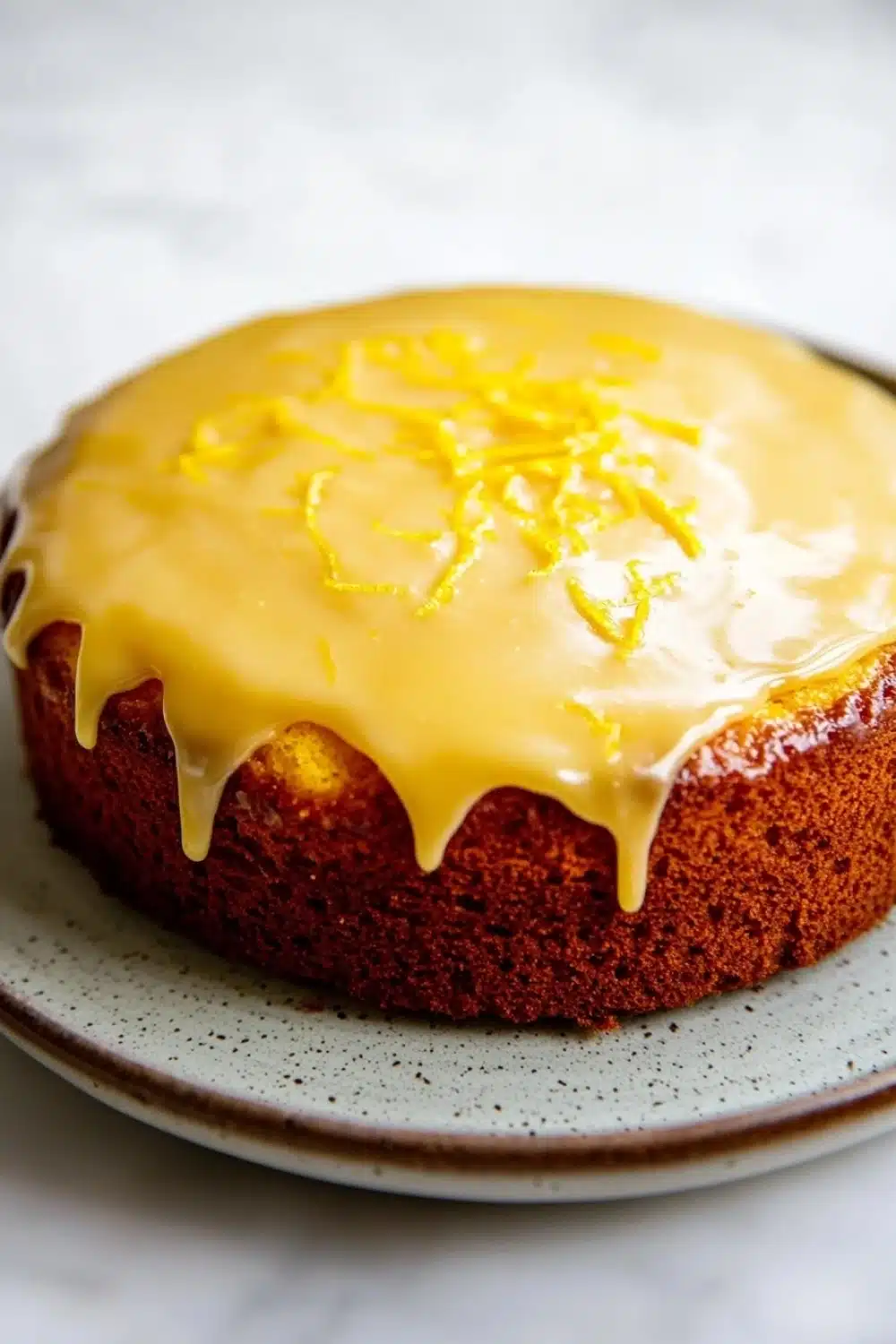
Sunshine on a plate.
There’s something almost mischievous about a yellow lemon cake design. It’s not just a dessert — it’s a vibe. The moment you step into the kitchen, your senses are hit with that zingy lemon scent, the kind that wakes you up better than your morning espresso.
I remember the first time I tackled this cake. The batter was silky smooth, and as it baked, the whole house smelled like a citrus grove after rain. When it came time to glaze, I went rogue — letting the lemon syrup drip down the edges like a boss. No stiff, boring lines here; this cake was dripping with personality.
Whether you’re decking it out for a casual brunch or a fancy tea party, the yellow lemon cake design invites creativity. Think bright zest curls, delicate edible flowers, or even a splash of gold leaf if you’re feeling fancy. This isn’t just baking; it’s a little sunbeam you can slice and share.
For a delightful twist on a classic treat, check out our yellow lemon cake design inspired by Japanese flavors.
Real-Life Perks of Baking This Yellow Lemon Cake
- Brightens up any gathering—whether it’s a casual hangout or a full-on shindig, this cake’s tangy punch wakes up taste buds like a citrus wake-up call.
- Quick turnaround: Under an hour from start to finish, so you’re not stuck in the kitchen longer than your guests.
- Kid-friendly and grown-up approved—kids love the sweet zing while adults appreciate the balance of tart and sweet; it’s a crowd-pleaser all around.
- Perfect for those who hate fuss—no complicated steps, just straightforward mixing and a simple glaze that packs a punch.
- Storage savvy: Keeps well at room temp for a couple of days—no stress if you want to prep in advance and chill out.
Yellow Lemon Cake
- Total Time: 55 minutes
- Yield: 8 1x
Description
A moist and flavorful yellow lemon cake with a bright lemon glaze, perfect for celebrations or a delightful dessert.
Ingredients
2 1/2 cups all-purpose flour
2 1/2 teaspoons baking powder
1/2 teaspoon salt
1 cup unsalted butter, softened
1 3/4 cups granulated sugar
4 large eggs
1 tablespoon lemon zest (from about 2 lemons)
1/4 cup fresh lemon juice
1 teaspoon pure vanilla extract
1 cup whole milk
1 1/2 cups powdered sugar
3 tablespoons fresh lemon juice
1 teaspoon lemon zest
Instructions
Preheat the oven to 350°F (175°C). Grease and flour two 8-inch round cake pans.
In a medium bowl, whisk together the all-purpose flour, baking powder, and salt. Set aside.
In a large bowl, beat the softened butter and granulated sugar together with an electric mixer on medium speed until light and fluffy, about 3-4 minutes.
Add the eggs one at a time, beating well after each addition.
Mix in the lemon zest, fresh lemon juice, and vanilla extract until combined.
Alternately add the flour mixture and whole milk to the butter mixture, beginning and ending with the flour mixture. Mix each addition just until incorporated; do not overmix.
Divide the batter evenly between the prepared cake pans and smooth the tops with a spatula.
Bake for 30-35 minutes, or until a toothpick inserted into the center comes out clean.
Remove the cakes from the oven and allow them to cool in the pans for 10 minutes.
Turn the cakes out onto wire racks to cool completely.
Prepare the lemon glaze by whisking together the powdered sugar, fresh lemon juice, and lemon zest in a small bowl until smooth.
Once the cakes are completely cooled, drizzle the lemon glaze over the top of the cakes, allowing it to drip down the sides.
Let the glaze set for about 15 minutes before slicing and serving.
- Prep Time: 20 minutes
- Cook Time: 35 minutes
Explore more:
Buzz in the Kitchen Recipes
Nail the Perfect Yellow Lemon Cake Every Time
The Secret to That Golden Crust
Ever wondered why some lemon cakes boast that flawless golden crust while others look pale and sad? It’s all about the butter’s mood—softened but not melted, like Goldilocks’ porridge. When you beat unsalted butter and sugar till fluffy, you’re folding air into the mix—key for that tender crumb and subtle crunch on the edges. Pro tip: don’t rush this step. I once blitzed through it, and my cake came out dense as a brick. Patience here pays juicy dividends.
Also, the oven’s your best frenemy. Too hot, and the edges will darken too fast, leaving the center uncooked. Too low, and you’ll get a pale, dry cake. That 350°F sweet spot is your go-to. Consider rotating pans halfway through baking—cakes bake unevenly, especially in older ovens. Nail this, and you’re golden.
Ingredient Swaps That Don’t Kill the Vibe
Flour, butter, sugar—these staples anchor the cake, but life isn’t always neat. What if you’re out of all-purpose flour or don’t have unsalted butter? Here’s the lowdown:
- Flour: Cake flour can replace all-purpose for a softer crumb but reduce baking powder by 1/2 teaspoon to avoid over-leavening.
- Butter: Salted butter? No sweat—cut back on added salt in the recipe.
- Milk: Whole milk’s richness is gold here, but if you’re stuck, use buttermilk or plain yogurt—your crumb will be moist with a slight tang. Adjust lemon juice down a tad if using yogurt.
Remember, swapping ingredients isn’t a free-for-all. Balance is everything. I once tried almond milk cold turkey—cake came out gummy. Lesson learned.
Fixing the Usual Cake Faceplants
Flop city? We all hit roadblocks. Let’s troubleshoot the classic lemon cake fails:
- Cake too dense? You probably overmixed the batter. Flour’s gluten wakes up fast—mix just until you can’t see it.
- Dry cake? Overbaking is a silent killer. When toothpick tests clean but still moist crumbs linger, pull it out and cool immediately.
- Glaze too runny? Add powdered sugar gradually; the glaze should pour slow but not puddle.
One time, I skipped cooling the cake fully before glazing—resulted in a glaze meltdown. Let the cakes chill on wire racks. It’s worth the wait.
Yellow Lemon Cake FAQ
A: Yes, you can substitute lemon extract, but use sparingly since it’s more concentrated than fresh juice. Around 1 teaspoon should do the trick without overpowering the cake.
A: The classic toothpick test is your go-to. Insert a clean toothpick into the center of the cake—if it comes out clean or with just a few crumbs clinging, your cake’s ready to rock. Avoid opening the oven too early to prevent sinking.
A: Absolutely! Use a 1-to-1 gluten-free flour blend that includes xanthan gum for structure. Just be mindful that texture might shift a bit—gluten is your crumb’s best buddy.
A: No need to chill immediately. Let the glaze set at room temp for about 15 minutes. Then, store the cake covered on the counter for up to 2 days or refrigerate if you want it to keep longer.
A: Yes! Wrap the cooled cake tightly in plastic wrap and then foil—freeze up to 3 months. Thaw overnight in the fridge and bring to room temp before serving, so it tastes fresh.