
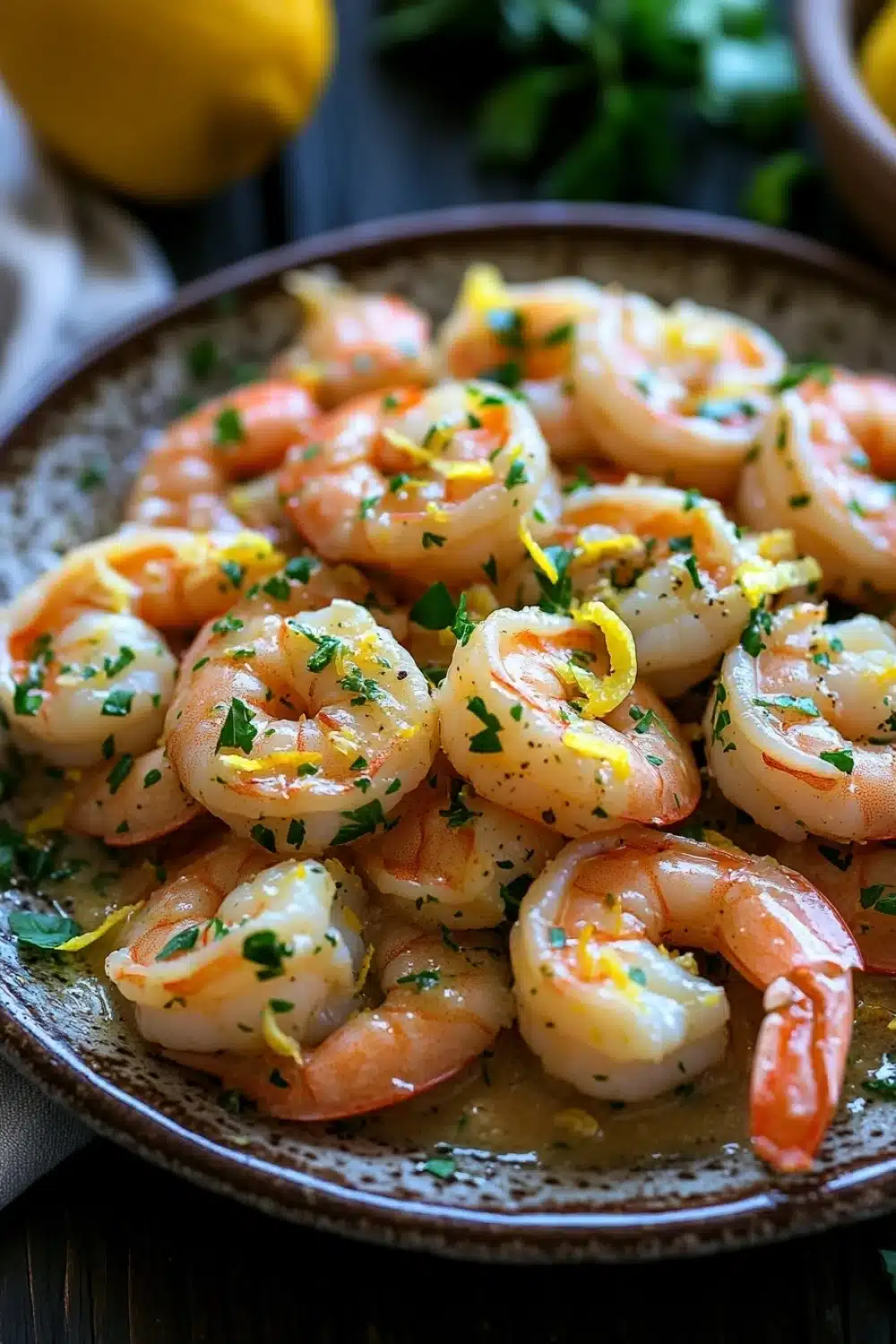
Bright and bold hits the pan.
There’s something wildly satisfying about shrimp sizzling in a hot skillet, bathed in a glossy lemon butter sauce that clings to every curve. I remember the first time I whipped up this dish on a whim—no fancy gadgets, just a skillet, fresh shrimp, and a handful of pantry staples. The kitchen filled with the tangy aroma of lemon and the rich hint of garlic butter. I was hooked from that first bite.
This recipe moves fast—about twenty minutes from start to finish—which means it’s perfect for those nights when you want something impressive without the usual faff. The shrimp get a quick sear, locking in juiciness, while the sauce simmers down to coat every morsel with a zesty kick and a whisper of heat from red pepper flakes. Toss in fresh parsley at the end, and you’ve got a dish that’s bursting with freshness and texture.
Warning: this skillet meal disappears fast. So, roll up your sleeves and get ready to impress your taste buds—and anyone lucky enough to sit at your table.
For a delicious seafood twist, try our lemon butter shrimp skillet that’s just as easy and flavorful.
Why Lemon Butter Shrimp Skillet Works Wonders in Real Life
- Ready in 20 minutes flat—ideal for when you’re flying solo after work or need a quick date-night win.
- That lemon butter combo? Cuts through the shrimp’s natural sweetness and adds a tangy punch that wakes up your taste buds instantly.
- Uses pantry staples—garlic, butter, olive oil, and parsley—so you’re not chasing down weird ingredients last minute. Easy-peasy grocery runs.
- Perfectly balanced spice from the red pepper flakes, giving just enough kick without making you reach for water mid-bite.
- Leftovers reheat like a charm—no rubbery shrimp here. Just gentle heat, and it’s like you’re back in the kitchen cooking fresh again.
Lemon Butter Shrimp Skillet
- Total Time: 20 minutes
- Yield: 4 1x
Description
A quick and delicious lemon butter shrimp skillet recipe featuring succulent shrimp cooked in a zesty lemon butter sauce with garlic and fresh parsley. Perfect for a weeknight dinner or a light meal.
Ingredients
1 pound large shrimp, peeled and deveined
3 tablespoons unsalted butter
2 tablespoons olive oil
4 cloves garlic, minced
1/4 teaspoon red pepper flakes
1/2 teaspoon salt
1/4 teaspoon black pepper
1/4 cup fresh lemon juice
1 tablespoon lemon zest
2 tablespoons fresh parsley, chopped
Instructions
Pat the shrimp dry with paper towels and season with salt and black pepper.
Heat olive oil and 2 tablespoons of butter in a large skillet over medium-high heat until melted and hot.
Add the shrimp to the skillet in a single layer and cook for 2 minutes without moving them.
Flip the shrimp and cook for another 2 minutes until pink and opaque. Remove shrimp from skillet and set aside.
Reduce heat to medium and add the remaining 1 tablespoon of butter to the skillet.
Add minced garlic and red pepper flakes to the skillet and sauté for 1 minute until fragrant.
Pour in fresh lemon juice and add lemon zest, stirring to combine and deglaze the pan for 1-2 minutes.
Return the cooked shrimp to the skillet and toss to coat evenly in the lemon butter sauce.
Sprinkle chopped fresh parsley over the shrimp and stir to combine.
Remove from heat and serve immediately.
- Prep Time: 10 minutes
- Cook Time: 10 minutes
Explore more:
Dinner Recipes
Lemon Butter Shrimp Skillet: Master the Sauce, Flip Like a Pro, Rescue Overcooked Shrimp
The Quick Flip: Why Timing Shrimp Cooking Is Everything
Shrimp are divas in the pan—they go from perfectly pink to rubbery disaster in a heartbeat. I’ve learned this the hard way. When cooking shrimp, patting them dry and seasoning well is just the start. The real trick? Placing them in a single layer and resisting the urge to poke or shuffle around. You want that quick sear on one side before flipping—about 2 minutes. Then flip and give it another 2 minutes tops. It’s like a quick dance—two minutes per side, no more, no less. Anything longer and you’re entering the dreaded rubber zone. Trust me, the payoff is shrimp that snap with tenderness, not chew like gum.
Butter and Citrus—The Dynamic Duo That Pulls It All Together
Butter and lemon juice sounds simple, but it’s where the real magic happens. The leftover fond (those caramelized bits stuck to the pan) is the jackpot here. After shrimp get temporarily benched, adding that last tablespoon of butter with garlic and red pepper flakes is crucial. The butter melts into the pan, grabbing all those intense flavors. Then, the lemon juice and zest hit—bright and acidic, they cut through the richness and bring the whole skillet to life. This isn’t just throwing ingredients together; it’s a flavor handshake that makes the shrimp shine without fighting them. I always say, if your lemon butter sauce tastes flat, you probably skipped the deglazing step—or didn’t zest enough. Never underestimate that zest; it’s like the mic-drop of citrus.
Overcooked Shrimp? Here’s How to Bounce Back
Let’s be real—sometimes the shrimp overcook. It happens. But don’t toss them out just yet. Here’s the lowdown:
- Quick bath: Plunge overcooked shrimp in ice water immediately after cooking to halt the heat—think of it as shrimp CPR.
- Lemon butter rescue: Toss those toughened shrimp in a fresh lemon butter sauce with a splash of chicken broth or white wine. The acidity and liquid help rehydrate them a bit, softening their bite.
- Serve creatively: Overcooked shrimp can still shine chopped up in a salad, pasta, or a garlicky bruschetta topping.
No shame in the game—shrimp are fast and fickle, but with these hacks, you’re never left high and dry.
Lemon Butter Shrimp Skillet FAQs
A: Yes, but thaw them completely and pat dry before cooking. Otherwise, you’ll end up with soggy shrimp instead of that perfect sear.
A: It’s all about timing. Adding the lemon juice and zest after sautéing the garlic lets those flavors bloom without turning bitter. Plus, deglazing the pan pulls up all those tasty browned bits—chef’s kiss.
A: Sure, olive oil alone works, but butter brings that luscious mouthfeel and richness you don’t want to skip. Margarine or other oils might change the flavor profile drastically.
A: The red pepper flakes give it a subtle kick—not a fire-breathing dragon, just a cheeky nudge. You can dial it up or down depending on your heat tolerance.
A: Absolutely. Cook the shrimp but toss with sauce fresh before serving to keep them juicy. Store shrimp and sauce separately to avoid that rubbery vibe.