
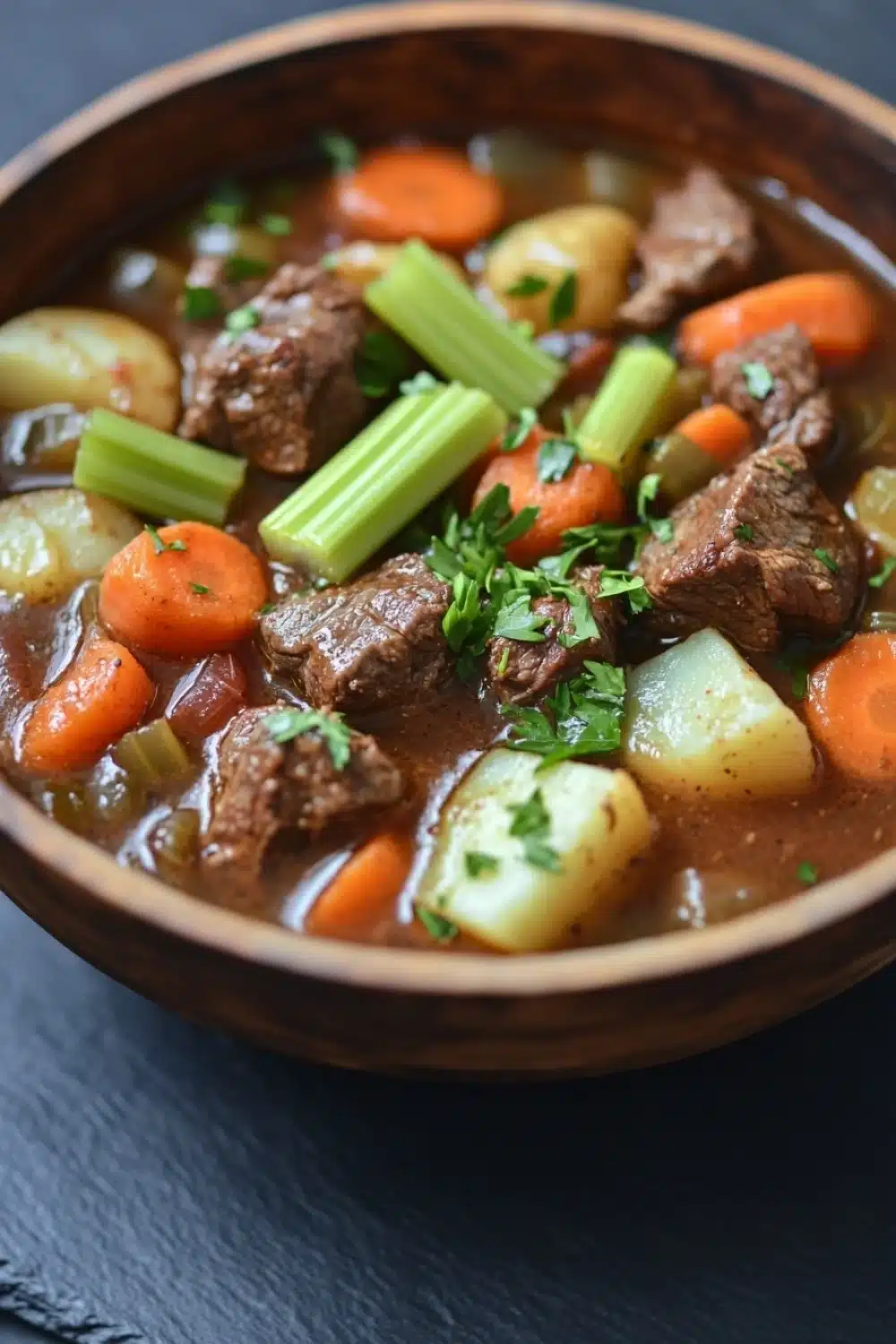
There’s something about the slow simmer of beef stew that turns an ordinary kitchen into a cozy retreat. I remember the first time I tossed skillet beef stew meat into my Dutch oven, impatiently waiting for the sizzle and sear to work their magic. Browning those cubes until they develop a rich crust? That’s where the game changes—no shortcuts here. While the stew bubbles away, the aroma of garlic and herbs fills the air, making it near impossible to resist sneaking a taste. It’s a low and slow affair—time is the unsung hero, coaxing the meat and vegetables into tender submission. I like to think of this stew as the perfect antidote to a hectic week, a bowl that soaks up stories and laughter as much as it does broth. And let’s be honest, there’s nothing quite like scraping up that thick, glossy gravy clinging to your spoon. This recipe? It’s no flash in the pan, but a hearty, stick-to-your-ribs triumph that’s worth every minute on the stove.
Looking for a cozy meal that’s just as comforting as a classic beef stew? Check out our One Pot Beef Potatoes to Warm You Up—it’s perfect for those long days when you need something hearty and simple.
Why This Beef Stew Works Wonders in Real Life
- Hands-off cooking: Once you get the stew simmering, you can walk away and let it do its thing—perfect for busy days or when you need a break from the kitchen hustle.
- Meal prep hero: The stew tastes even better the next day, making it a solid contender for leftovers that don’t lose their mojo.
- One-pot cleanup: Only one pot to scrub afterward means less time in the sink and more time kicking back.
- Customizable vibes: Got extra veggies or random herbs? Toss ’em in! This recipe’s as flexible as your Sunday plans.
- Comfort food with a twist: Skillet beef stew meat browns beautifully, giving the stew a rich, meaty backbone that beats out pre-cut stew beef any day.
Beef Stew with Skillet Beef Stew Meat
Total Time: 2 hours
Yield: 6 1x
Description
A hearty and comforting beef stew made with tender skillet beef stew meat, simmered with vegetables in a rich and flavorful broth. Perfect for a cozy meal any day of the week.
Ingredients
Scale
2 pounds skillet beef stew meat, cut into 1-inch cubes
2 tablespoons vegetable oil
1 large onion, chopped
3 cloves garlic, minced
3 medium carrots, peeled and sliced into 1/2-inch pieces
2 stalks celery, sliced into 1/2-inch pieces
3 medium potatoes, peeled and cut into 1-inch cubes
4 cups beef broth
1 cup water
2 tablespoons tomato paste
1 teaspoon dried thyme
1 teaspoon dried rosemary
2 bay leaves
Salt, to taste
Black pepper, to taste
2 tablespoons all-purpose flour
2 tablespoons cold water
2 tablespoons chopped fresh parsley (for garnish)
Instructions
Heat the vegetable oil in a large heavy-bottomed pot or Dutch oven over medium-high heat.
Add the skillet beef stew meat in batches, making sure not to overcrowd the pot, and brown on all sides, about 5 minutes per batch. Remove the browned meat and set aside.
In the same pot, add the chopped onion and cook until softened, about 5 minutes.
Add the minced garlic and cook for 1 minute until fragrant.
Return the browned beef to the pot and stir to combine with the onions and garlic.
Add the sliced carrots, celery, and potatoes to the pot.
Pour in the beef broth and water, then stir in the tomato paste, dried thyme, dried rosemary, and bay leaves.
Season with salt and black pepper to taste.
Bring the stew to a boil, then reduce the heat to low and cover the pot.
Simmer gently for 1 hour and 30 minutes, or until the beef and vegetables are tender.
In a small bowl, whisk together the all-purpose flour and cold water until smooth to create a slurry.
Stir the slurry into the stew and cook uncovered for an additional 10 minutes to thicken the broth.
Remove the bay leaves and adjust seasoning with additional salt and pepper if needed.
Serve the beef stew hot, garnished with chopped fresh parsley.
- Prep Time: 20 minutes
- Cook Time: 1 hour 40 minutes
Explore more:
Dinner Recipes
Mastering Beef Stew with Skillet Beef Stew Meat
Substitution Secrets
We all hit a snag when the recipe calls for something specific and the pantry’s looking bare—especially with stew meat. If you can’t get your hands on skillet beef stew meat, no sweat. Chuck roast or brisket cut into 1-inch cubes works like a charm. These cuts have enough fat and connective tissue to break down slowly, giving you that melt-in-your-mouth tenderness. Just remember: tougher cuts need low and slow cooking to soften up. For a veggie twist, swap potatoes with parsnips or turnips—they bring an earthy punch that plays well with the herbs. And if beef broth is MIA, a strong vegetable broth or even a mix of beef bouillon and water can fill in without turning the stew into a sad, bland pool.
The Science
Here’s the lowdown on what’s really happening in that pot. Browning your meat isn’t just for show—it’s the Maillard reaction kicking in, creating those deep, beefy notes by caramelizing surface sugars and amino acids. This step sets the foundation for flavor, so don’t rush it or overcrowd the pan; otherwise, the meat steams instead of browns. Slow simmering then breaks down collagen in the connective tissue into gelatin, thickening your broth naturally and giving it that rich mouthfeel. Adding a flour slurry at the end? That’s your backup plan to thicken things up if nature’s gelatin isn’t doing the job fast enough. Herbs like thyme and rosemary release their oils during the long cook, syncing perfectly with the savory base. It’s chemistry and cooking, hand in hand.
Real-world Fix
I once tried making beef stew on a whim, only to realize I forgot the flour for thickening—classic facepalm moment. Instead of tossing the whole thing, I remembered a trick: mash a potato or two right in the pot. The natural starch from the potatoes kicked in as a thickener, saving the day and making the stew just as hearty. If you’re out of fresh herbs, dried ones will do—but crush them between your fingers before adding to unlock more aroma. And if your stew ends up too salty? Tossing in a peeled potato during the last 20 minutes will absorb some of the salt without messing with the flavor. Sometimes, the kitchen throws curveballs, but a little jerry-rigging goes a long way.
FAQs About Making the Best Beef Stew
FAQs About Making the Best Beef Stew
The short answer: yes, but keep your eye on cooking times. Tougher cuts like chuck or brisket work great but might need a bit more simmering to get fork-tender. Skillet beef stew meat is convenient because it’s already cut into manageable chunks, saving you some hassle.
2. Why do we brown the meat before simmering?
It’s all about that Maillard reaction — the caramelization that adds layers of flavor and a slightly crispy edge. Skipping this step means missing out on some serious depth. Think of it like giving your stew a flavor handshake.
3. Can I make this stew in a slow cooker or Instant Pot?
Absolutely. For slow cookers, brown the meat first, then dump everything in and cook low and slow for 7-8 hours. Instant Pot users can brown on the sauté setting and then pressure cook for about 35 minutes. Just remember to add the slurry at the end to thicken.
4. What’s the purpose of the flour slurry, and can I skip it?
The slurry is your thickening agent, giving the stew that hearty, clingy broth that hugs the veggies and meat. Skip it and your stew will be more like soup — still tasty, but thinner. If you want to go gluten-free, cornstarch mixed with cold water works as a stand-in.
5. How can I make the stew more flavorful without adding extra salt?
Try boosting the herbs—fresh parsley, thyme, or rosemary brighten things up. A splash of Worcestershire sauce or a dash of smoked paprika can also punch up the umami without tipping the salt meter. Don’t underestimate a good sear on the meat either; flavor starts there!