
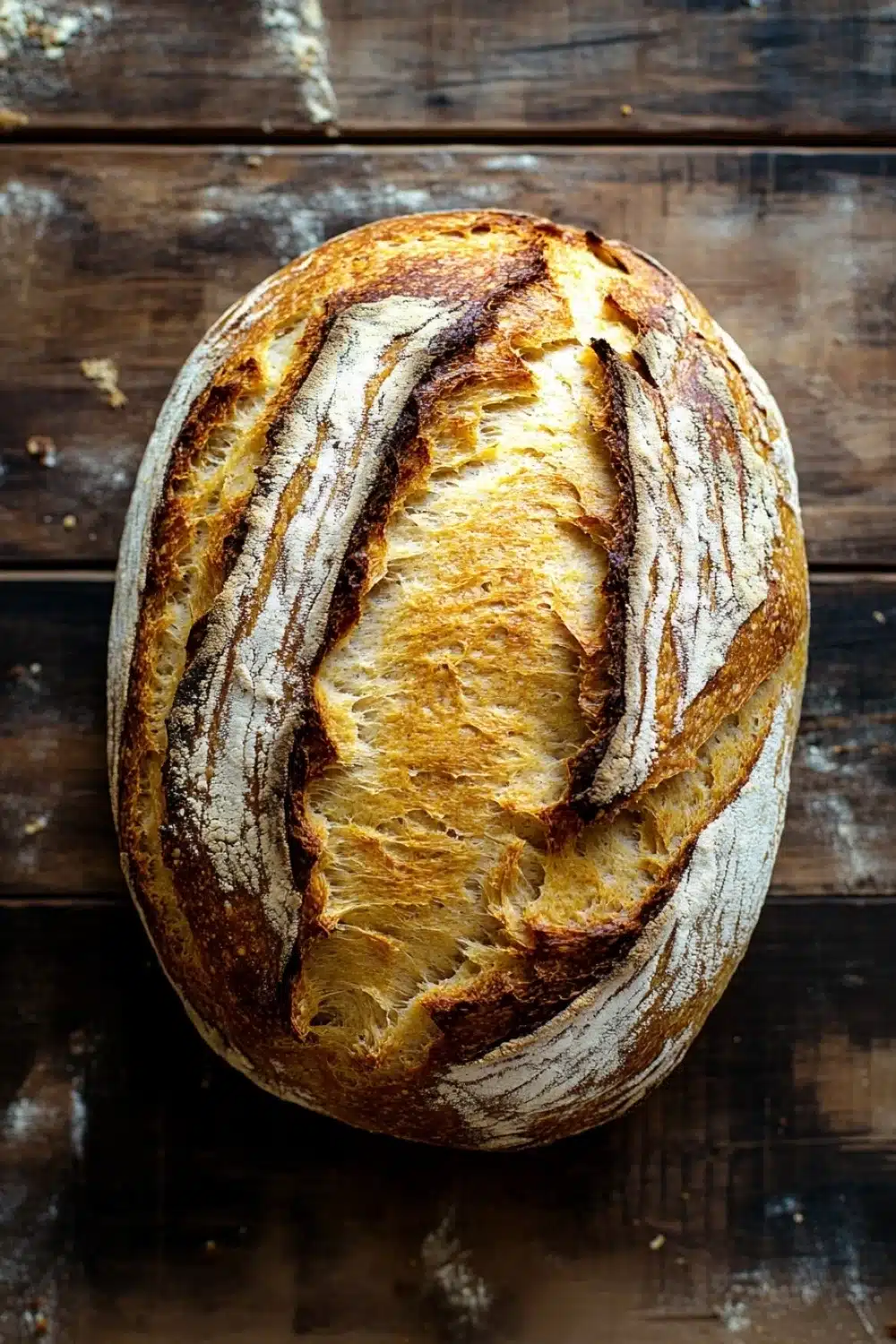
There’s something quietly satisfying about pulling a loaf of freshly baked bread from the oven. This vegan yeast bread fills the kitchen with a gentle, yeasty aroma that lingers just long enough to make you pause and breathe it in deeply. The crust forms that perfect golden shade, slightly crisp to the touch, while the inside stays soft and airy. It’s the kind of bread you slice thick, slather with plant-based butter, and maybe add a bit of jam or avocado, depending on your mood.
I remember one morning last week when I was juggling a few things, distracted by the phone buzzing somewhere nearby. I wasn’t sure if I had let the dough rise long enough, but the moment I sliced into the loaf, everything else melted away. The texture was just right—light but substantial. It’s exactly that comforting simplicity that makes this bread a keeper, even if the timing isn’t perfect every time.
- Soft and fluffy crumb that feels light but holds together well.
- Made with pantry basics—no fancy ingredients needed.
- It’s simple—and that’s kind of the point. No complicated steps, just patience.
- Works beautifully for sandwiches, toast, or even just with a drizzle of olive oil.
Even if you’re new to bread baking, this recipe offers a chance to connect with the process without feeling overwhelmed. Sometimes, the rise times can feel a bit like waiting for a bus that might be early or late, but the results are worth it.
Print
Vegan Yeast Bread
- Total Time: 1 hour 15 minutes
- Yield: 12 slices 1x
Description
A simple and delicious vegan yeast bread recipe that is soft, fluffy, and perfect for sandwiches or toast. Made with basic pantry ingredients and no animal products.
Ingredients
3 cups (360 grams) all-purpose flour
1 cup (240 milliliters) warm water (110°F/43°C)
2 1/4 teaspoons (7 grams) active dry yeast (1 packet)
2 tablespoons (25 grams) granulated sugar
1 teaspoon (6 grams) salt
2 tablespoons (30 milliliters) olive oil
Instructions
In a small bowl, combine the warm water and sugar. Stir until the sugar dissolves.
Sprinkle the active dry yeast over the water and sugar mixture. Let it sit for 5 to 10 minutes until foamy.
In a large mixing bowl, whisk together the flour and salt.
Add the yeast mixture and olive oil to the flour mixture.
Stir with a wooden spoon until a dough forms.
Turn the dough out onto a lightly floured surface and knead for about 8 to 10 minutes until smooth and elastic.
Place the dough in a lightly oiled bowl, cover with a clean kitchen towel or plastic wrap, and let it rise in a warm place for 45 to 60 minutes or until doubled in size.
Preheat the oven to 375°F (190°C).
Punch down the risen dough and shape it into a loaf.
Place the loaf into a greased 9×5-inch loaf pan.
Cover the dough again and let it rise for another 20 to 30 minutes until it has risen slightly above the pan.
Bake the bread for 25 to 30 minutes, or until the top is golden brown and the loaf sounds hollow when tapped.
Remove the bread from the oven and let it cool in the pan for 10 minutes.
Transfer the bread to a wire rack to cool completely before slicing.
- Prep Time: 15 minutes
- Cook Time: 30 minutes
For equipment, all you really need is a loaf pan and a warm spot to let the dough rise—no fancy gadgets required. I usually serve this bread toasted, paired with a simple spread or as a base for a hearty sandwich. If you want to mix it up, you could try swapping some of the all-purpose flour for whole wheat or adding seeds on top before baking, though I haven’t tested those variations extensively. Also, sometimes I add a dash of herbs to the dough for a subtle twist, but that’s more a happy accident than a sure thing.
FAQ
Can I use instant yeast instead of active dry yeast? Yes, you can usually substitute instant yeast without proofing it first; just mix it straight into the flour.
What if my dough doesn’t rise? Make sure your water is warm but not hot—around 110°F (43°C) is ideal. Also, yeast can be finicky if it’s old.
How should I store leftover bread? Keep it in an airtight container at room temperature for a few days, or freeze slices for longer storage.
Give yourself the chance to slow down and enjoy the quiet moments of baking this bread. It’s about more than just the loaf—it’s the small ritual that makes your kitchen feel like home.