
Get ready to throw down in the kitchen.
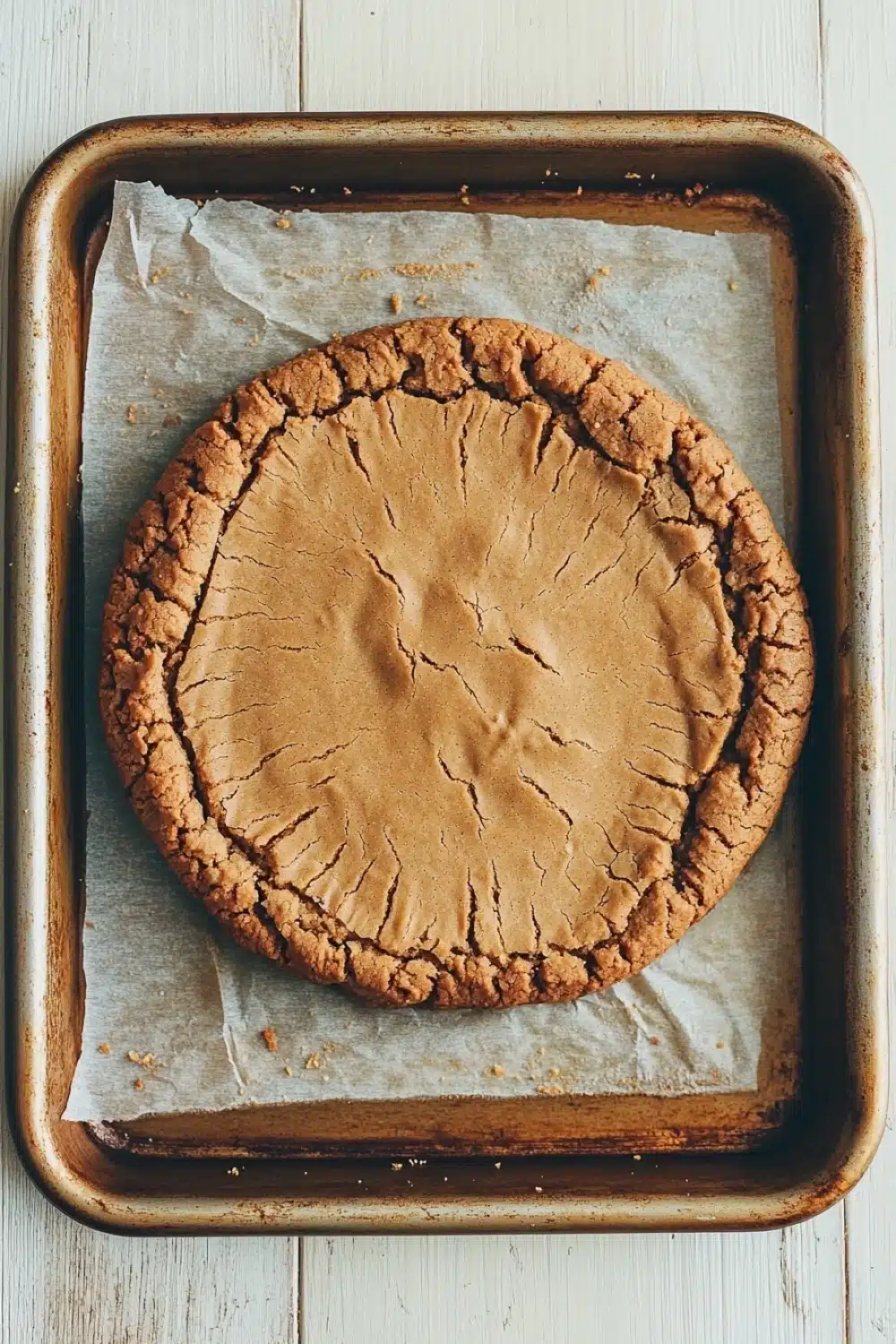
There’s something about the smell of peanut butter and butter baking together—the kind that grabs you by the nostrils and drags you into a warm, cozy kitchen vibe. I remember the first time I made this crust; the dough was sticky and soft, almost like a promise of what was to come. Pressing it into the pan, I felt like a sculptor shaping a masterpiece—not too thick, just right, so it would crisp up golden and hold all the creamy fillings with no complaints.
It’s not just any crust. This peanut butter cookie crust dessert base is the kind of thing that makes you want to ditch the usual graham cracker routine. The edges turn just so lightly golden, creating a crunch that snaps in your mouth and sings with peanut butter’s rich, nutty punch. It’s no fluff—this crust stands up to whatever you layer on top, creamy or cakey, and plays well with flavors from chocolate to berry.
Trust me, once you get this down, you’ll find yourself whipping it out like a pro—your secret weapon for a quick, killer dessert that feels like homemade magic without the fuss.
For a delicious twist, try making a peanut butter cookie crust dessert by following our guide on How to Make the Ultimate Vegan Peanut Butter Cookie Cake.
Real Life Perks of This Peanut Butter Cookie Crust Dessert
- Whips up in under 30 minutes—perfect when you’re strapped for time but craving something homemade.
- Crunchy, nutty base that holds creamy fillings without turning soggy—no more sad, squishy crusts.
- Peanut butter lovers, this crust is your jam—rich flavor that doesn’t overpower, but still steals the show.
- Easy to store and freeze, so you can prep ahead and impress without breaking a sweat on game day or family dinners.
- Versatile enough to pair with anything from chocolate ganache to fresh berries—let your imagination run wild.
Peanut Butter Cookie Crust Dessert
- Total Time: 27 minutes
- Yield: 8 1x
Description
A delicious dessert featuring a rich and crunchy peanut butter cookie crust, perfect as a base for creamy fillings or toppings.
Ingredients
1 1/4 cups all-purpose flour
1/2 teaspoon baking soda
1/4 teaspoon salt
1/2 cup unsalted butter, softened
1/2 cup creamy peanut butter
1/2 cup granulated sugar
1/2 cup packed light brown sugar
1 large egg
1 teaspoon pure vanilla extract
Instructions
Preheat the oven to 350°F (175°C).
In a medium bowl, whisk together the all-purpose flour, baking soda, and salt. Set aside.
In a large bowl, using an electric mixer, beat the softened unsalted butter, creamy peanut butter, granulated sugar, and light brown sugar together until creamy and smooth, about 2-3 minutes.
Add the egg and pure vanilla extract to the peanut butter mixture and beat until fully incorporated.
Gradually add the dry flour mixture to the wet ingredients, mixing on low speed until just combined.
Press the cookie dough evenly into the bottom and slightly up the sides of a 9-inch (23 cm) round tart pan or pie dish to form a crust.
Bake the crust in the preheated oven for 10-12 minutes, or until the edges are lightly golden and the center is set.
Remove the crust from the oven and allow it to cool completely before adding any filling or toppings.
- Prep Time: 15 minutes
- Cook Time: 12 minutes
Explore more:
Buzz in the Kitchen Recipes
Mastering Your Peanut Butter Cookie Crust Dessert
The Secret to That Golden Crust
When I first tackled this peanut butter cookie crust, I learned fast: the magic lies in timing and texture. The crust’s edges should just kiss a golden hue—don’t let it burn or it’ll turn bitter, wrecking your plans. Baking at 350°F for about 10-12 minutes nails this perfectly. Pressing the dough evenly is non-negotiable—thin spots burn, thick spots stay doughy. I swear by a tart pan with a removable bottom; it’s a game-changer for crust integrity. One more nugget: cool it completely before filling—warm crusts invite sogginess, nobody wants a sad, limp base.
Switching It Up: Ingredient Hacks That Work
Not vibing with creamy peanut butter? No sweat. Swap it out with chunky for texture bombs. Just remember, chunkier = a bit more rustic, which can be ace with smooth fillings. Butter is king here, but if you’re chasing a dairy-free route, coconut oil steps in nicely—just expect a slight coconut whisper in the background. Flour-wise? All-purpose is the go-to, but almond flour amps up nuttiness and keeps it gluten-free-ish—though you might lose some crisp snap. Brown sugar? It’s the moisture boss, but if you only have white, toss in a teaspoon of molasses to keep that chew factor intact. Trust me, these tweaks won’t throw the whole recipe off balance.
Rescue Mission: When Crusts Go Rogue
Cracked crust? Happens when the dough’s too dry or you’re over-pressing—don’t crush your cookie dreams! To fix this, gently patch cracks with a bit of leftover dough before baking. Overbaked crust? It’s basically toast—try scraping off the burnt layer and add a forgiving filling, like a mousse or pudding, to hide sins. Dough too crumbly? Next time, add an extra tablespoon of butter or an egg yolk; that’s the glue you didn’t know you needed. And if your crust sticks stubbornly to the pan, run a thin knife around the edges right after baking—still warm—and grease your pan next round like it’s an old-school vinyl record slipping smoothly under the needle. No one wants crust heartbreak.
Peanut Butter Cookie Crust Dessert FAQs
Definitely! Swapping the all-purpose flour for a 1:1 gluten-free baking blend works well. Just watch the texture; gluten-free dough can be a bit crumbly, so handle gently when pressing it into the pan.
It can—if you bake it thoroughly and let it cool completely before adding any filling. However, if the filling is very moist, expect some softening over time. To keep that snap, a quick bake after filling might be your secret weapon.
Yes and no. Crunchy peanut butter will add unexpected texture and little peanut chunks, which could be a fun twist. But it might affect the smoothness of the crust, making it a bit rougher in texture.
Store at room temp in an airtight container for up to three days. Beyond that, wrap it tight and freeze it for up to a month. Thaw before use to keep it tasting fresh.
No. The egg binds the dough and provides structure—without it, the crust might crumble apart easily. If you’re vegan or allergic, try a flax egg, but the texture will differ slightly.