
Flash in the pan.
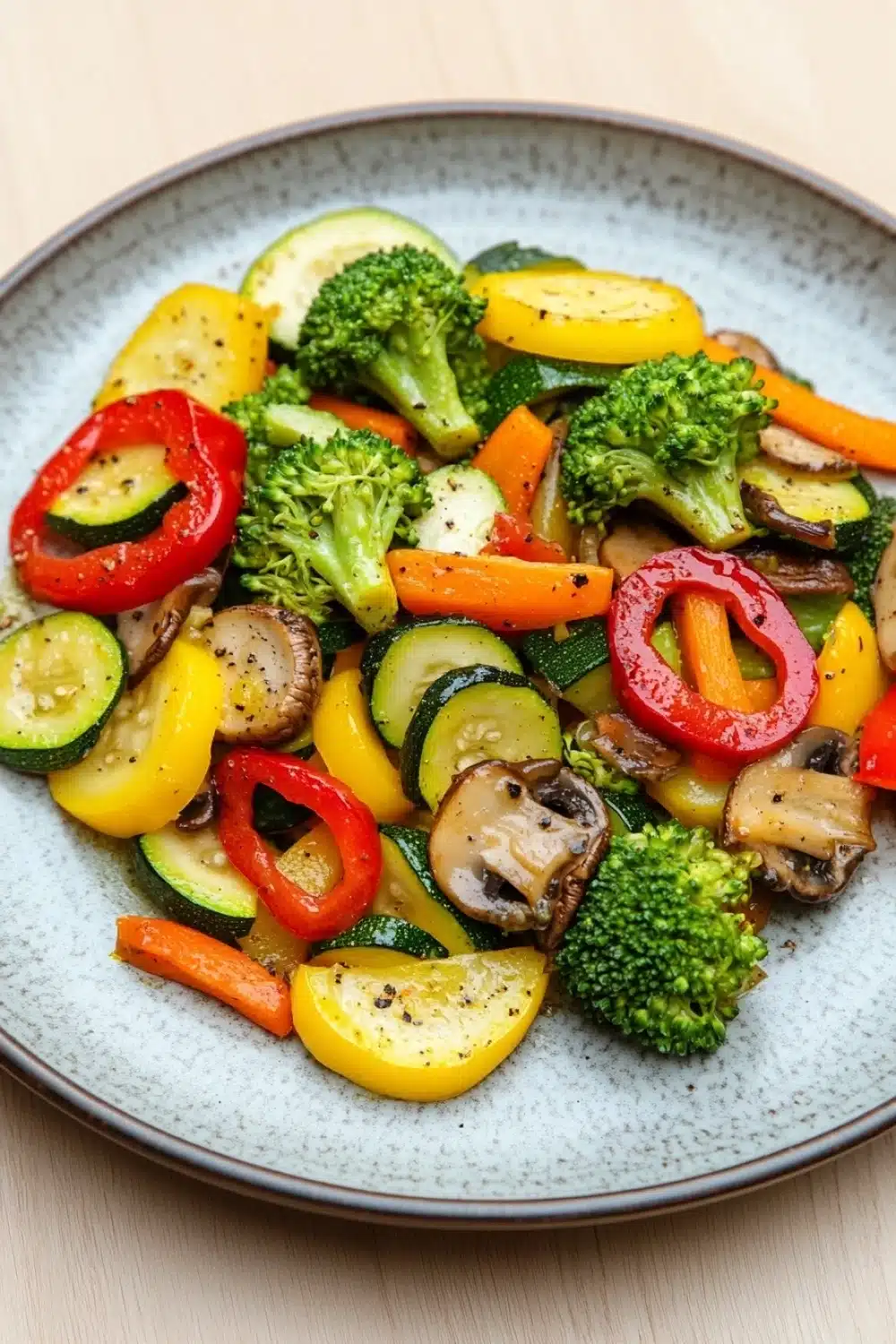
There’s something about those crisp-tender veggies you get at a restaurant—the ones that still snap with life, bursting with fresh herbs and just a hint of char. I swear, mastering restaurant style sautéed vegetables is less about fancy tricks and more about timing and attitude. Tossing a medley of bell peppers, zucchini, broccoli, and mushrooms into a hot pan, I like to keep my moves swift and confident, letting the garlic scent weave through the air like a promise.
I remember the first time I nailed this dish: the kitchen was buzzing, and I was racing the clock. The sizzle, the aroma, the vibrant colors dancing in the pan—it was pure magic. No soggy veggies here; it’s all about that perfect sear and just enough bite. Seasoning with thyme and oregano, then finishing with a splash of lemon juice? That’s the secret handshake for that authentic restaurant vibe.
Ready to bring that buzz to your plate? Let’s dive in and get your skillet singing.
For a delicious twist on restaurant style sauteed vegetables, try this Sweet Simplicity: Honey and Brown Sugar Glazed Carrots Recipe that’s sure to impress.
Real Life Benefits of Restaurant Style Sautéed Vegetables
- Quick weeknight win—ready in just 20 minutes, perfect when time’s tight and you need a veggie fix.
- Loaded with color and crunch, these veggies keep their snap, making every bite a mouth party rather than mush city.
- Hands-off healthy—olive oil and herbs bring natural flavor without drowning out the garden-fresh goodness.
- Versatile sidekick for anything from grilled steak to a lazy pasta night, no fuss.
- Leftovers? No sweat—just reheat gently and they’re back to life, making meal prep a breeze.

Restaurant Style Sautéed Vegetables
- Total Time: 20 minutes
- Yield: 4 1x
Description
A vibrant and flavorful mix of sautéed vegetables cooked to perfection, just like you would find in a restaurant. This dish is perfect as a side or a healthy main course.
Ingredients
2 tablespoons olive oil
1 medium red bell pepper, thinly sliced
1 medium yellow bell pepper, thinly sliced
1 medium zucchini, cut into half-moons
1 medium yellow squash, cut into half-moons
1 cup broccoli florets
1 cup sliced mushrooms
1 medium carrot, thinly sliced
3 cloves garlic, minced
1/2 teaspoon kosher salt
1/4 teaspoon freshly ground black pepper
1/2 teaspoon dried thyme
1/2 teaspoon dried oregano
1 tablespoon fresh lemon juice
1 tablespoon chopped fresh parsley
Instructions
Heat olive oil in a large sauté pan over medium-high heat until shimmering.
Add the minced garlic and sauté for 30 seconds until fragrant, stirring constantly to avoid burning.
Add the sliced red and yellow bell peppers, zucchini, yellow squash, broccoli florets, sliced mushrooms, and carrot to the pan.
Season the vegetables with kosher salt, black pepper, dried thyme, and dried oregano. Stir well to combine.
Cook the vegetables, stirring frequently, for 8 to 10 minutes or until they are tender but still crisp and vibrant in color.
Remove the pan from heat and stir in fresh lemon juice and chopped fresh parsley.
Taste and adjust seasoning if necessary before serving.
- Prep Time: 10 minutes
- Cook Time: 10 minutes
Explore more:
Dinner Recipes
How To Nail Restaurant Style Sautéed Vegetables Every Time
The Secret to That Golden Crust—Why High Heat Matters
Ever wonder why restaurant sautéed veggies have that irresistible hint of char and snap? The secret lies in the heat—medium-high, not medium. You want that olive oil shimmering like a heatwave over asphalt, not barely glistening. Crank the pan up and toss in your garlic just long enough to wake up the aroma—30 seconds max. No burning allowed. It’s the difference between a flat, bland mess and a panful that sings with smoky notes and vibrant textures. The key? Don’t overcrowd the pan. Let each veggie sizzle solo or in small groups. Otherwise, you’ll steam instead of sauté—and nobody’s out here for soggy zucchini.
Veggie Swaps That Keep It Fresh (Without Losing That Restaurant Vibe)
Let’s get real: Sometimes you’re out of yellow squash or craving a twist. No sweat. Swap in asparagus spears, snap peas, or even baby corn. Keep the cut sizes consistent—half-moons, slices, or florets—to ensure even cooking. Mushrooms? Shiitakes or creminis work like a charm to deepen umami. For a splash of color and crunch, toss in some thinly sliced fennel or radish at the end. Just remember—herbs and spice blends are your pals here. If you ditch thyme and oregano, grab some fresh basil or a shake of smoked paprika. It’s all about hitting that balance of savory and fresh. I once threw in a handful of toasted pine nuts at the end, and it was a game-changer—texture-wise, that crunch is the boss move.
Fixing the Classic Pitfalls—Soggy Veggies and Lackluster Flavor
Nothing kills a sautéed veggie vibe faster than sogginess or a bland punch. Here’s the lowdown—overcrowding is the number one culprit. When veggies crowd the pan, they stew in their own juices rather than sear. The fix? Use a bigger pan or do it in batches. Another trap: neglecting seasoning. Salt early to coax out moisture, but save the fresh herbs and lemon juice for the finish—they brighten up without wilting. Speaking of lemon—don’t skip it. That zest and acidity cuts through the oil and herbs, tying everything together like a boss. Lastly, if your veggies look pale, give them a quick blast under the broiler or a hot grill pan—just seconds—to amp up color and flavor. Trust me, the eye eats first.
FAQs About Restaurant Style Sautéed Vegetables
A: Yes, but here’s the catch—frozen veggies tend to release more water, which can make your sauté soggy. Pat them dry and cook a bit longer to keep that crisp snap.
A: Not necessarily. If your carrots are young and fresh, a good scrub under running water is enough. Peeling is more for aesthetics or if the skin feels tough.
A: Absolutely! Toss in some cubed chicken breast or shrimp once the garlic is fragrant, then proceed with the veggies. It turns into a hearty one-pan meal with minimal extra effort.
A: Olive oil is my go-to for this dish due to its flavor and moderate smoke point. But feel free to substitute with avocado or grapeseed oil if you want a different twist or higher heat tolerance.
A: Quick sautéing over medium-high heat is key. Don’t overcrowd the pan—give veggies room to breathe or they’ll steam instead of sear. Stir frequently but gently to keep that restaurant-worthy texture.