
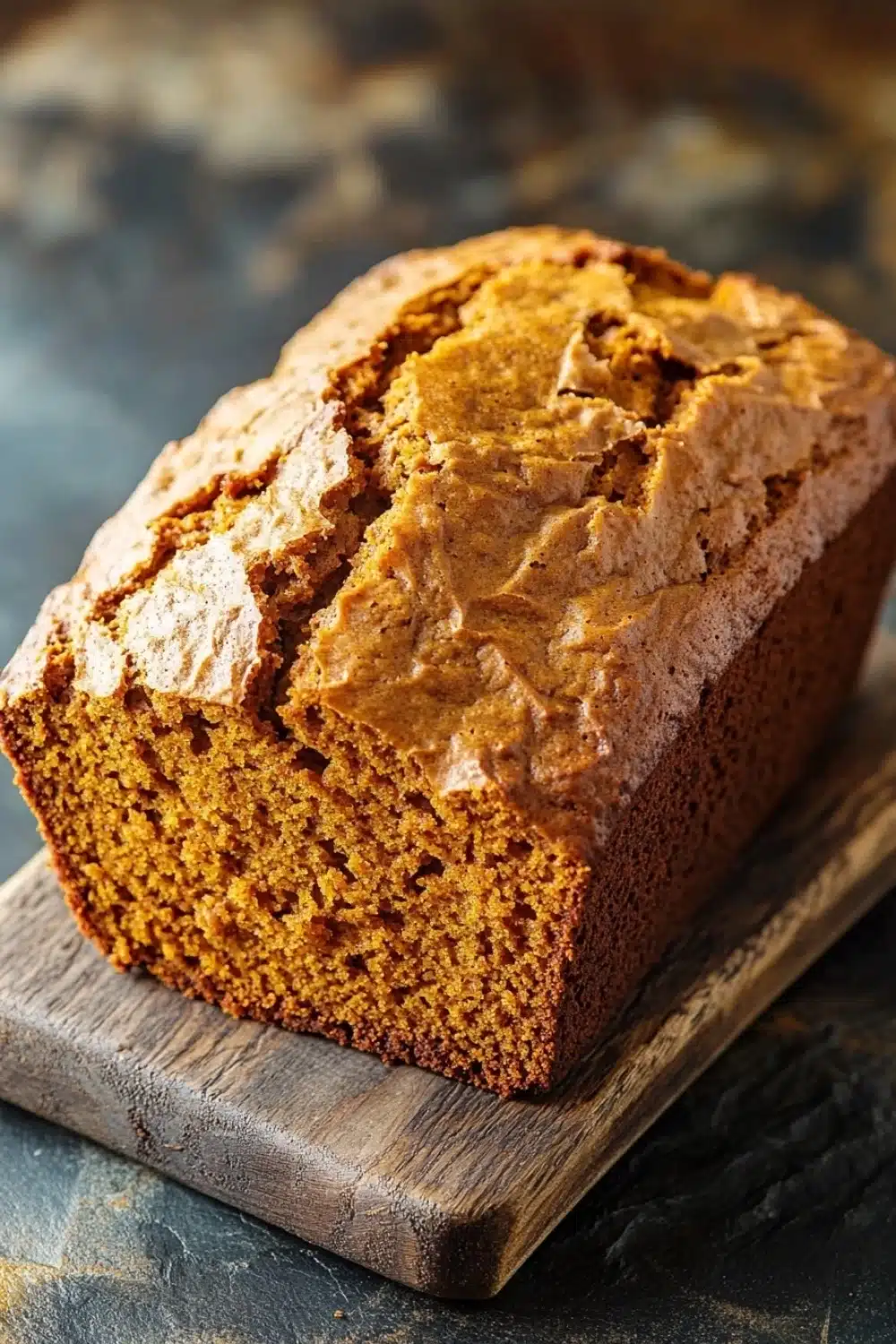
Altitude changes everything.
In my kitchen, the oven’s warmth feels like a cozy friend during the chill of early fall. There’s something magical about pumpkin bread baking—its spicy-sweet aroma weaving through the house like a well-loved quilt. But baking this classic treat at high altitude? That’s where the game shifts. Air’s thinner, moisture escapes quicker, and if you don’t adjust, you’re stuck with a dry, crumbly disappointment.
Years back, I cracked this nut by trial and error—scaling back leavening agents just right, adding a splash of buttermilk, and folding the batter gently. The result? A loaf with a tender crumb that’s neither dense nor pancake-flat. No more guessing, no more kitchen grief.
If you’ve been wrestling with pumpkin bread that’s too dry or oddly textured up high, this recipe—tailored for your altitude—will hit the spot. Ready to swap baking woes for moist, flavorful slices? Let’s dive in.
If you’re looking for a comforting fall recipe beyond pumpkin bread high altitude, check out How to Make Roasted Zucchini and Butternut Squash Soup That Wows for a delicious twist.
Real Life Perks of Baking This High Altitude Pumpkin Bread
- Moistness that lasts—no crumbly disasters here, even days after baking.
- Spices hit just right, giving you that cozy, fall-vibes-in-a-muffin-top feel without any weird aftertaste.
- Made for high altitude—meaning no more guessing games or sinking middles when you bake up here.
- Quick prep and bake time means you’re not stuck hovering over the oven all day.
- Versatile enough for breakfast, snack, or a not-so-guilty dessert with a smear of butter or cream cheese.
High Altitude Pumpkin Bread
- Total Time: 1 hour 5 minutes
- Yield: 8 slices 1x
Description
A moist and flavorful pumpkin bread recipe perfectly adapted for high altitude baking, featuring warm spices and a tender crumb.
Ingredients
1 3/4 cups (210 grams) all-purpose flour
1 teaspoon baking soda
1/2 teaspoon baking powder
1/2 teaspoon salt
1 teaspoon ground cinnamon
1/2 teaspoon ground nutmeg
1/4 teaspoon ground cloves
1/4 teaspoon ground ginger
1 cup (200 grams) granulated sugar
1/2 cup (100 grams) packed light brown sugar
1/2 cup (120 ml) vegetable oil
2 large eggs
1 cup (240 ml) canned pumpkin puree
1/4 cup (60 ml) buttermilk
1 teaspoon pure vanilla extract
Instructions
Preheat the oven to 350°F (175°C). Lightly grease a 9×5-inch loaf pan and line it with parchment paper, leaving an overhang for easy removal.
In a medium bowl, whisk together the flour, baking soda, baking powder, salt, cinnamon, nutmeg, cloves, and ginger until well combined.
In a large bowl, whisk the granulated sugar, brown sugar, and vegetable oil until smooth.
Add the eggs one at a time to the sugar and oil mixture, beating well after each addition.
Stir in the pumpkin puree, buttermilk, and vanilla extract until fully incorporated.
Gradually add the dry ingredients to the wet ingredients, folding gently with a spatula until just combined. Do not overmix.
Pour the batter into the prepared loaf pan and smooth the top with a spatula.
Bake in the preheated oven for 45 to 50 minutes, or until a toothpick inserted into the center comes out clean.
Remove the bread from the oven and let it cool in the pan for 10 minutes.
Using the parchment paper overhang, lift the bread out of the pan and transfer it to a wire rack to cool completely before slicing.
- Prep Time: 15 minutes
- Cook Time: 50 minutes
Explore more:
Breakfast Recipes
High Altitude Pumpkin Bread: Tricks and Tweaks for Peak Baking
The High-Altitude Hustle: Why This Bread Needs Special Treatment
Baking at high elevation isn’t just about getting an extra tan—it’s a whole different beast. The air’s thinner, moisture evaporates faster, and gases expand quicker, causing your pumpkin bread to rise too fast and then fall flat like a bad joke. Here’s the kicker: you have to tweak your leaveners and liquid ratios to keep things in check. That’s why this recipe calls for both baking soda and a touch of baking powder—a tag team to balance rise and tenderness without the dreaded crater. Also, upping the flour just a smidge adds structure, preventing the crumb from turning into a soggy abyss. Trust me, I’ve seen plenty of rookie bakers crumble under the pressure (pun fully intended).
Playing Ingredient Jenga: Swaps That Won’t Sink Your Loaf
Out of buttermilk? Don’t sweat it. Grab some milk and add a splash of lemon juice or vinegar—let it sit for five minutes. You’ve just macgyvered a perfect acidic substitute that keeps your bread moist with that signature tang. Veggie oil? Swap it for melted butter if you want a richer vibe, but be warned: butter’s got less neutral flavor and can weigh the batter down a bit, so cut back to about 1/3 cup and keep mixing light. If you’re feeling adventurous, try coconut oil—but remember, it’ll sneak in a subtle tropical note. Oh, and never—ever—replace canned pumpkin puree with fresh pumpkin without cooking and pureeing it first. Fresh raw puree is all water and no soul, leading to a mushy mess.
When Things Go South: Common High Altitude Fails and Fixes
Ever pulled a pumpkin bread out of the oven only to find it’s cracked like the surface of the moon or sinking like a lead balloon? First, cracks often mean your oven’s too hot or you whipped the batter too much. High altitude amps gas expansion, so keep your mixing gentle—fold, don’t whip like you’re in a meringue contest. A cracked top isn’t the end of the world, but it’s a sign to dial down your heat or mixing speed next time. Now, sinking centers usually point to underbaking or too much moisture. If your toothpick comes out wet, give it more time—oven temps can be tricky up high. And if you overshoot the liquid, next round add a tablespoon or two more flour or cut back on the pumpkin puree a hair. Baking at altitude is a dance of patience and precision. Nail it, and you’ll have loaf that’s moist with that tender crumb without the roller-coaster rise and fall drama.
High Altitude Pumpkin Bread FAQ
Q: Can I use fresh pumpkin instead of canned?
Yes, you can! Just roast and puree fresh pumpkin first. Make sure it’s strained well to avoid excess moisture that could throw off the batter’s balance—especially at high altitudes.
Q: Why adjust baking soda and powder for high altitude?
At higher elevations, lower air pressure makes baked goods rise faster, sometimes causing them to collapse or dry out. Cutting back on leaveners like baking soda and powder helps keep that bread moist and prevents the crumb from turning into a dry craggy mess.
Q: Do I really need to line the pan with parchment?
Definitely. It’s a game-changer — parchment makes lifting the loaf out a breeze and keeps those edges from turning into crusty little soldiers stuck to the pan. Trust me, parchment’s your bread’s best friend.
Q: Can I swap the oil for butter?
Sure thing, but heads up: butter will add a richer flavor and a slightly denser crumb. Melt it, let it cool a bit, and then mix it in just like the oil.
Q: How do I know when the bread is done?
Stick a toothpick or cake tester in the center. If it comes out clean or with just a few moist crumbs clinging on, you’re golden. Overbaking is rookie territory here — the bread dries out fast, especially in high altitude settings.