
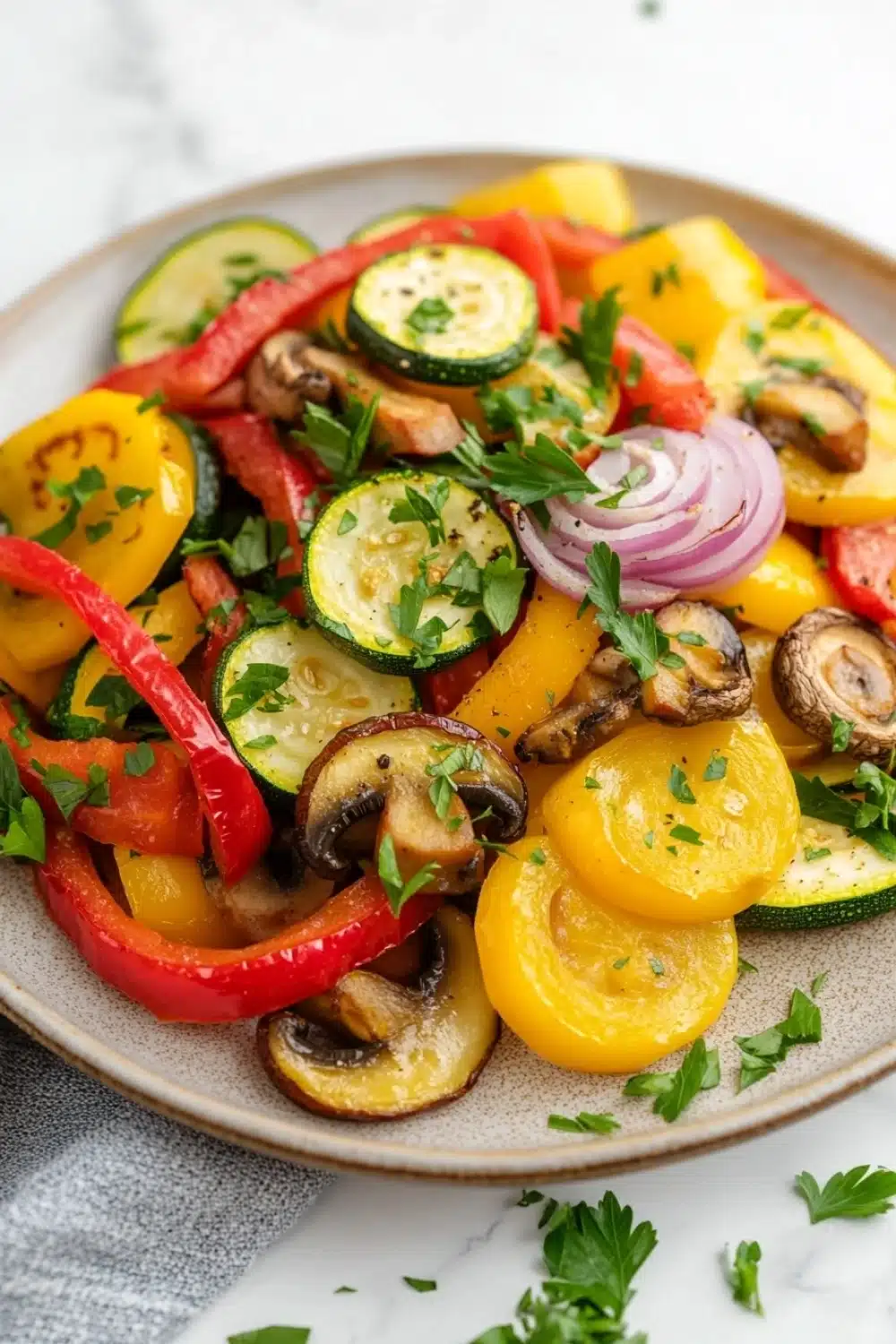
Let’s get real—oven-sautéed vegetables aren’t your average side hustle.
Picture this: the kitchen air thick with the scent of garlic and herbs, a sizzling skillet on the stove, and the anticipation building as those vibrant bell peppers and mushrooms soften just enough before hitting the oven’s heat. It’s that sweet spot where a quick sauté meets slow roast, giving your veggies that coveted tender texture with charred edges that whisper, “I’m worth the wait.”
There’s no rush here, no frantic tossing. Just a lazy swirl of olive oil and dried thyme in an oven-safe pan, then off to the oven for a 20-minute ride. I swear, it’s like the veggies take a mini spa day—coming out tender, caramelized, and bursting with flavor. It’s comfort food without the guilt or hassle.
Trust me—once you go oven-sautéed, you’ll toss out that stovetop-only mindset. This technique has changed my weeknight game, turning humble veggies into a star attraction.
For a delicious twist on sauteed vegetables in oven, try these oven roasted honey glazed carrots for a sweet, tender perfection.
Real-Life Benefits of Oven-Sautéed Vegetables
- Saves you from babysitting the stove—the oven takes care of the heavy lifting while you catch up on emails or prep other dishes.
- Caramelization magic happens effortlessly, giving you those coveted crispy edges and deep flavors without standing and stirring nonstop.
- Perfect for weeknight dinners when time’s tight but you still want a vibrant, veggie-packed side on the table.
- Versatile enough to tweak with whatever’s lurking in your crisper drawer—no need for fancy ingredients or complicated steps.
- Leftovers reheat like a charm, making lunches or quick dinners a breeze for busy days ahead.
Oven-Sauteed Vegetables
- Total Time: 35 minutes
- Yield: 4 1x
Description
A simple and flavorful recipe for sautéed vegetables finished in the oven, delivering tender and caramelized veggies with minimal effort.
Ingredients
2 tablespoons olive oil
1 medium red bell pepper, sliced into 1/2-inch strips
1 medium yellow bell pepper, sliced into 1/2-inch strips
1 medium zucchini, sliced into 1/2-inch rounds
1 medium yellow squash, sliced into 1/2-inch rounds
1 medium red onion, sliced into thin wedges
8 ounces cremini mushrooms, cleaned and halved
3 cloves garlic, minced
1 teaspoon dried thyme
1 teaspoon dried oregano
1/2 teaspoon salt
1/4 teaspoon black pepper
1 tablespoon fresh parsley, chopped (for garnish)
Instructions
Preheat the oven to 400°F (200°C).
In a large oven-safe skillet or baking dish, heat olive oil over medium heat on the stovetop.
Add the sliced red and yellow bell peppers, zucchini, yellow squash, red onion, and cremini mushrooms to the skillet.
Sauté the vegetables for about 5 minutes, stirring occasionally, until they begin to soften.
Add the minced garlic, dried thyme, dried oregano, salt, and black pepper to the skillet. Stir to combine evenly.
Transfer the skillet or baking dish to the preheated oven.
Roast the vegetables in the oven for 20 minutes, stirring halfway through to ensure even cooking and caramelization.
Remove the skillet from the oven and sprinkle the sautéed vegetables with chopped fresh parsley.
Serve warm as a side dish or over grains for a complete meal.
- Prep Time: 10 minutes
- Cook Time: 25 minutes
Explore more:
Dinner Recipes
Oven-Sautéed Vegetables Done Right: Tips & Tricks
The Secret to That Perfect Caramelized Edge
Here’s the skinny: the magic starts on the stove, not in the oven. Sautéing the veggies first—just enough to coax out their natural sugars and soften their edges—sets the stage for a deeper roast later. Skip this step, and you risk soggy, unevenly cooked pieces that are about as exciting as watching paint dry.
I like to load the skillet with the peppers, mushrooms, and squash, tossing them over medium heat until they’re just starting to give. The trick? Don’t crowd the pan; crowding equals steaming, and steaming kills crispness. Once they’re glistening and slightly softened, you add garlic and herbs—thyme and oregano punch the flavor up like a one-two combo—and then it’s straight to the oven for the grand caramelization finale.
Why Olive Oil Is Your Veggie’s Best Friend (and When to Switch It Up)
Olive oil isn’t just a lubricant here; it’s a flavor carrier that brings the whole dish together. But let’s keep it real—extra virgin olive oil has a smoke point around 375°F, and we’re hitting 400°F in the oven. If you’re a stickler for no burnt taste or if you want a smokier, nutty vibe, swap in avocado oil or light grapeseed oil. Both handle heat way better, giving you a clean roast without bitterness.
Pro tip: For a more Mediterranean twist, toss in a splash of toasted sesame oil right after cooking. It’s a game-changer, turning humble veggies into something that sings with umami and crunch.
When Things Go Sideways: Fixing Watery or Bland Veggies
Ever pulled a tray out of the oven only to find your veggies swimming in their own juice? It happens when the pan’s too tight or the water content runs off too quickly. Here’s the lowdown:
- Next time, give your veggies space—room to breathe means better roast and less steam.
- Crank the heat a notch or use convection if your oven has it. Air blowing around crisps the edges faster.
- If blandness is your foe, don’t just rely on salt. Bring in acid—a squeeze of lemon or a splash of vinegar right before serving wakes up those sleepy flavors.
Got a leftover fix? Toss veggies back in a hot skillet with a knob of butter and a pinch of smoked paprika. That quick sear? Instant flavor rescue.
Oven-Sautéed Vegetables FAQs
A: Nope, frozen ain’t the move here. You want fresh veggies so they don’t get soggy and limp after roasting.
A: Yes, preheating to 400°F is key—it jumpstarts the caramelization and keeps those veggies crispy around the edges.
A: Totally. Avocado or grapeseed oil work well, especially if you want a higher smoke point. Just steer clear of butter at this stage—it burns too fast.
A: No cover needed. Leaving them open in the oven lets steam escape, so you get that golden, slightly charred goodness.
A: Yes, this recipe’s inherently vegan—no animal products involved, so you’re good to go as is.