
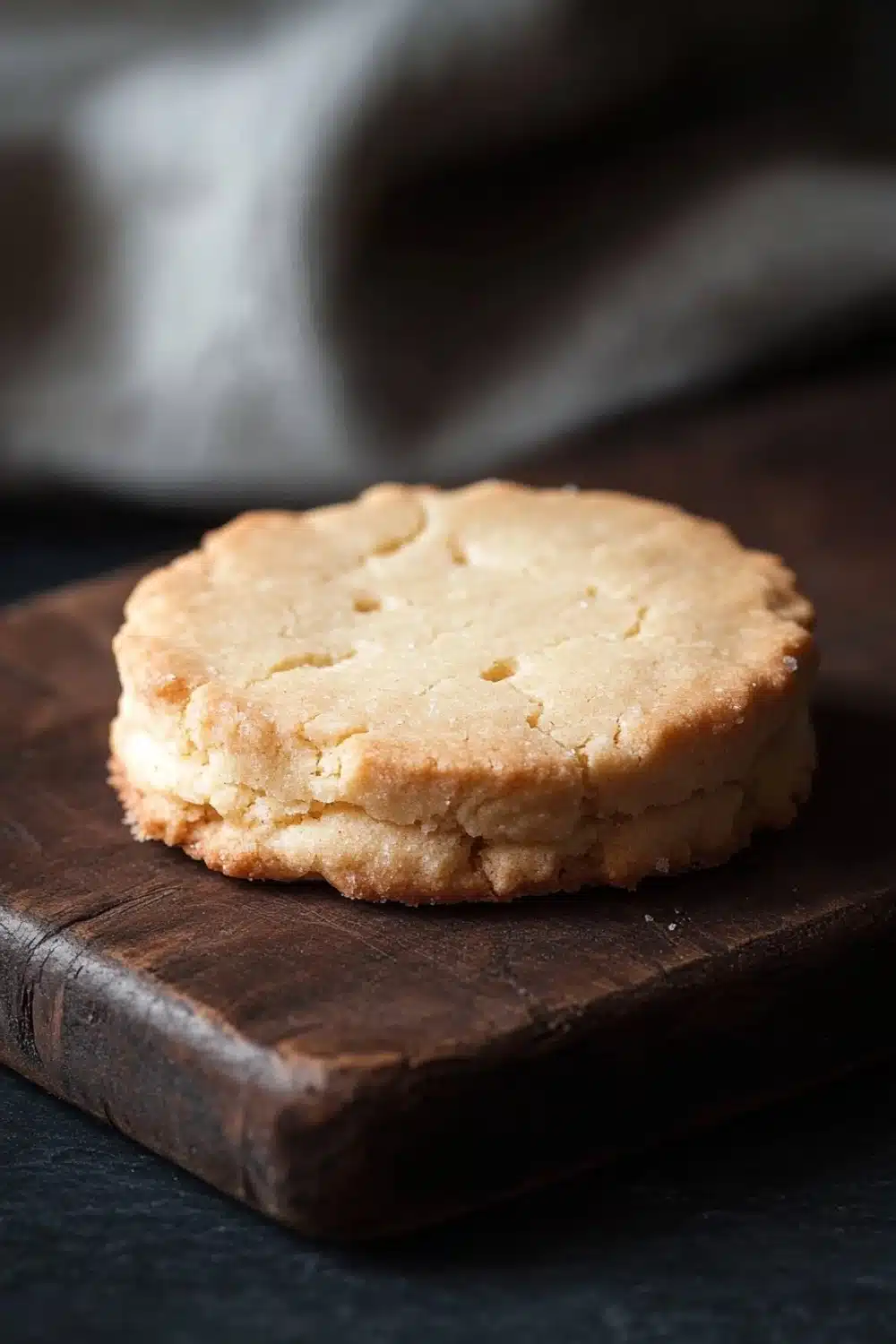
Butter, flour, sugar—simple, right?
But oh, the magic they weave together! In my kitchen, the air thickens with the scent of melting butter mingling with warm vanilla undertones. Each batch of shortbread is like a cozy blanket on a chilly afternoon, inviting me to slow down and savor the moment.
Sketching a shortbread cookie isn’t just child’s play; it’s about capturing that tender crumb and buttery texture that vanish the moment they hit your tongue. I remember, once, trying to illustrate a shortbread cookie with all its ridges and fork pricks—only to realize the devil’s in the details. Those little imperfections? Pure charm.
Let’s dive into this buttery canvas and explore how to bring shortbread cookie illustration to life—one buttery crumb at a time.
For a delightful twist on classic cookies, check out our Peanut Butter Cookie Blossoms: Classic Treats with a Chocolate Twist that pair perfectly with a shortbread cookie illustration.
Why Classic Shortbread Cookies Are a Keeper
- Simple ingredients—nothing fancy, just butter, sugar, salt, and flour. You already have everything in your pantry.
- Perfectly tender with a melt-in-your-mouth texture that’s hard to beat. These cookies don’t mess around.
- Great for tea time or a quick snack that feels like a treat without the fuss.
- Easy to whip up in under an hour, even if you’re juggling a million things. No stress baking.
- Lasts up to a week on the counter or months in the freezer—because who wants to waste good shortbread?
Classic Shortbread Cookies
- Total Time: 40 minutes
- Yield: 24 cookies 1x
Description
These classic shortbread cookies are buttery, tender, and melt in your mouth. Perfect for tea time or any occasion, they require just a few simple ingredients and are easy to make from scratch.
Ingredients
1 cup unsalted butter, softened
1/2 cup granulated sugar
1/4 teaspoon salt
2 cups all-purpose flour
Instructions
Preheat the oven to 325°F (163°C). Line a baking sheet with parchment paper.
In a large bowl, cream the softened butter and granulated sugar together until light and fluffy using a hand mixer or stand mixer.
Add the salt and mix to combine.
Gradually add the all-purpose flour to the butter mixture, mixing on low speed until the dough just comes together. Do not overmix.
Turn the dough out onto a lightly floured surface and gently knead it a few times to bring it together.
Roll the dough out to about 1/4 inch thickness.
Use a cookie cutter or knife to cut the dough into desired shapes (e.g., rectangles or circles).
Place the cookies on the prepared baking sheet about 1 inch apart.
Optional: Use a fork to prick the tops of the cookies for a classic shortbread look.
Bake for 20-25 minutes, or until the edges are lightly golden.
Remove from the oven and allow the cookies to cool on the baking sheet for 5 minutes before transferring them to a wire rack to cool completely.
- Prep Time: 15 minutes
- Cook Time: 25 minutes
Explore more:
Breakfast Recipes
Classic Shortbread Cookies: Mastering the Basics and Beyond
The Butter Battle: Why Quality Makes or Breaks Your Shortbread
Listen, not all butters are created equal—this is the hill I stand on with shortbread. Grab unsalted butter that’s fresh and creamy, not that plastic-tasting block lurking in the back of your fridge. The fat content and freshness dictate the mouthfeel. Too cold? Your dough fights back, and you’ll end up with a crumbly mess that falls apart like cheap drywall. Too warm? Say goodbye to that tender snap and hello to greasy puddles on the baking sheet.
I had a batch once where I used a generic stick—disaster. But when I switched to a creamy European-style slab, the dough came together like a charm, and the cookies practically melted on my tongue. It’s not just butter snobbery; it’s chemistry and texture locked in one simple swap.
Flour Power and The Danger of Overmixing (A Cautionary Tale)
Here’s the lowdown: shortbread dough is delicate. You gotta mix just enough to bring it together. Overdo it and you activate gluten like a wrecking ball smashing a china shop—suddenly your tender cookies turn tough, chewy, and about as pleasant as a sandpaper handshake.
Pro tip: Use all-purpose flour but don’t go full speed on your mixer. Keep it slow, slow, slow. When the dough just barely clumps—stop. Don’t even think about adding more flour. Resist the urge to over-knead. It’s like coaxing a shy cat—you gotta be gentle and patient.
And if your dough feels crumbly, just give it a gentle knead on a floured surface. This helps bring it together without breaking the fragile balance.
Flip the Script: When Your Shortbread Goes Sideways and How to Fix It
—— Too crumbly? Your butter’s probably too cold or you’ve added too much flour. Warm the dough slightly between your palms or let it sit at room temp a bit. Then, gently press it together.
—— Cookies spreading like they’re busted out of jail? Your butter was probably too warm—or your oven temp is off. Toss in a quick fridge chill for 15 minutes before baking, and make sure your oven’s calibrated.
—— Edges burn before the center’s done? Lower your rack or crank the temp down a notch. Every oven’s a diva, and shortbread needs gentle persuasion, not heavy-handed heat.
Whenever you mess up, think of it as a learning curve wrapped in buttery crumbs. Shortbread isn’t rocket science—it’s more like a moody artist. Listen to it, watch it, learn its rhythm. Then you’re golden.
Classic Shortbread Cookies FAQ
A: Yes, but skip adding extra salt in the recipe since salted butter already has salt. It’ll keep your cookie from turning into a salt lick.
A: The trick is not to overwork the dough. Mix just until it comes together—overmixing activates gluten and turns your shortbread tough. I always say, ‘Handle it like a fragile truce, not a wrestling match.’ Also, chilling the dough briefly helps, but it’s not a must.
A: Absolutely. Once cooled, stash them in an airtight container or zip-top bag and freeze for up to 3 months. When you’re ready, let them thaw at room temp. Pro tip: Freezing preserves that buttery snap like a charm.
A: It’s a classic move—those tiny holes prevent puffing and give shortbread its signature look. Plus, they help the heat spread evenly so you don’t end up with one side toasty and the other doughy.
A: Not without swapping the flour. Use a good-quality gluten-free blend designed for baking. Keep in mind, texture might shift a bit—shortbread’s crumbly charm depends on that wheat protein matrix.